

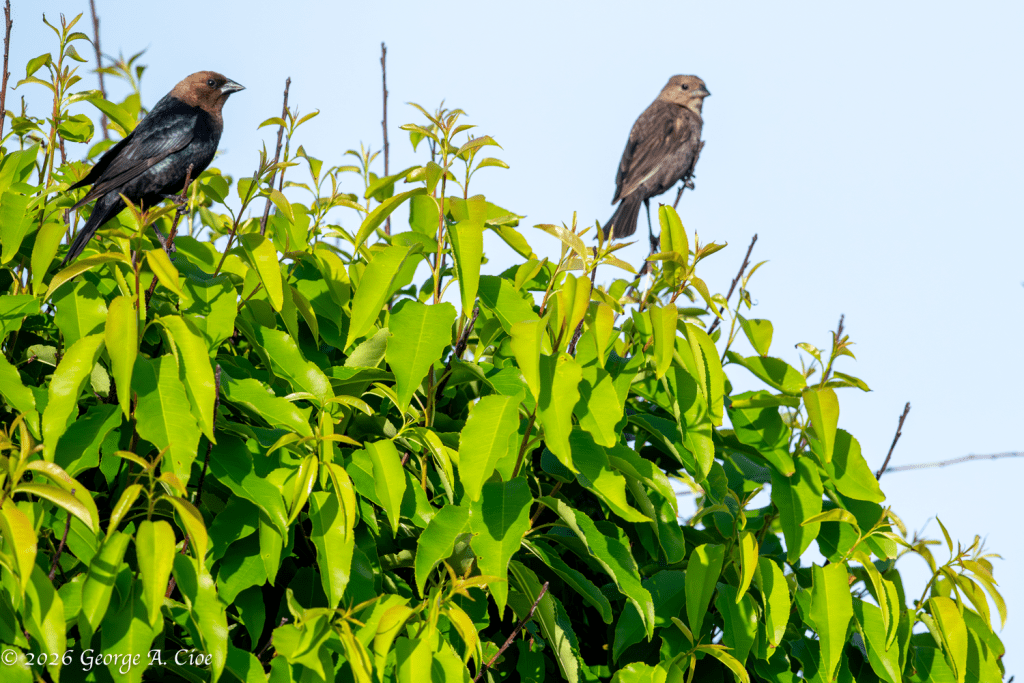
Am I That Common?
I have a problem.
Not a serious problem.
Not a “seek professional help” problem.
More of a branding problem.
You see, some of my favorite birds have one unfortunate thing in common.
They’re called…
“Common.”
Honestly, who was in charge of marketing these birds?
Imagine being a spectacular little feathered acrobat and having your official name begin with the avian equivalent of:
“Average.”
“Ordinary.”
“Nothing to see here.”
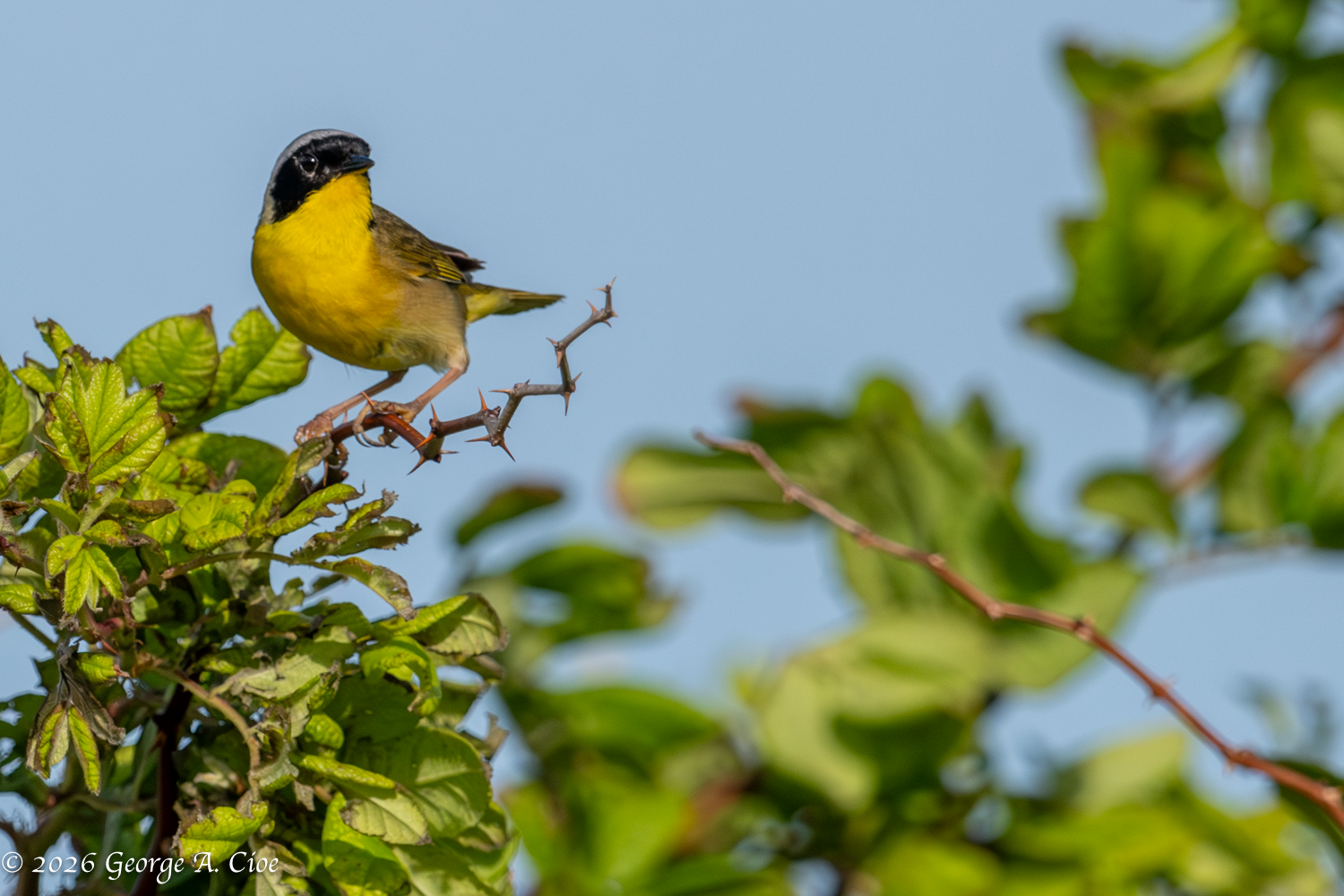
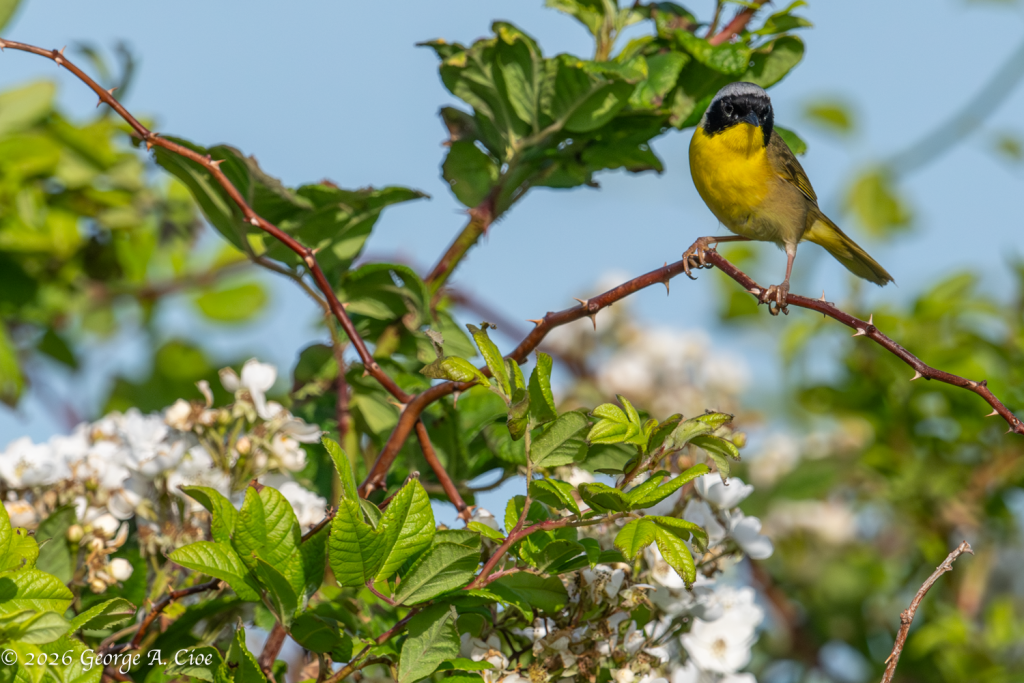
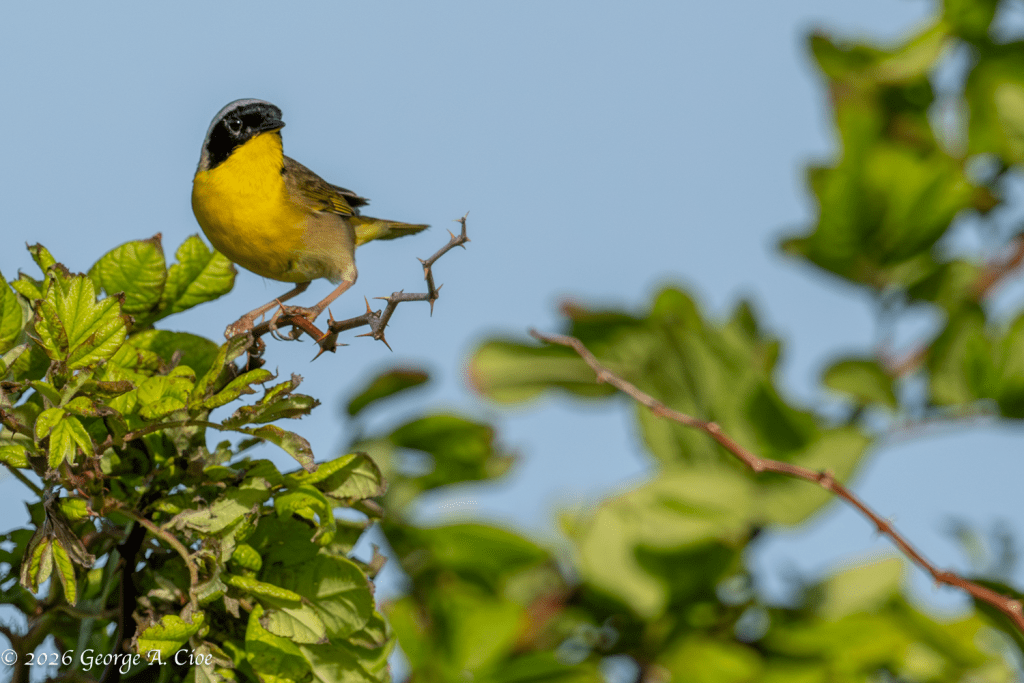
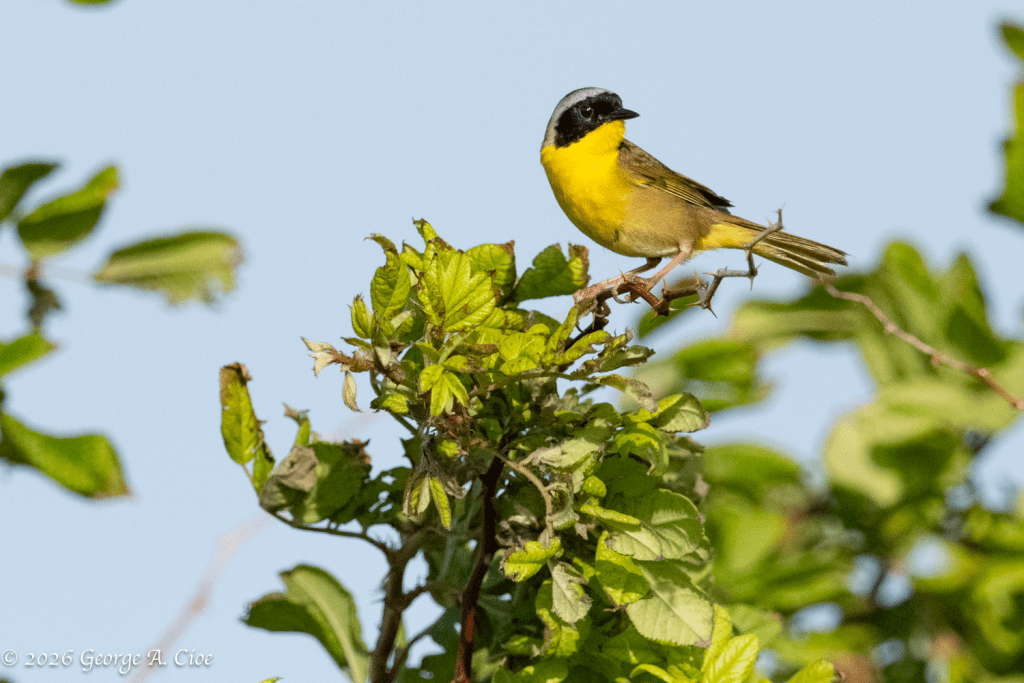
Take the Common Yellowthroat.
There is absolutely nothing common about this bird.
For starters, the male looks like he’s trying to rob a stagecoach.
He’s wearing a black mask that makes him look less like a songbird and more like a tiny outlaw hiding in the marshes.
If he had a horse, he’d steal it.
If he had opposable thumbs, he’d steal your wallet.
And if you’ve ever tried photographing one, you’d swear he was actively avoiding law enforcement.
The Common Yellowthroat doesn’t fly around politely posing on exposed branches like a cardinal.
No.
He prefers to sprint through dense vegetation like he’s fleeing the scene of a crime.
One second he’s there.
The next second he’s vanished into reeds, cattails, shrubs, vines, and apparently another dimension.
Birders spend half their lives hearing them.
The other half trying to actually see them.
“Witchety-witchety-witchety!”
“Where are you?”
“Witchety-witchety-witchety!”
“Seriously, where are you?”
Meanwhile, the bird is probably six feet away laughing hysterically.
The more I learned about them, the more I became convinced these little birds are starring in a soap opera.
Consider their love life.
Scientists tell us that most males maintain a territory and pair up with a single female.
Very respectable.
Very civilized.
Then along comes reality.
Apparently females sometimes attract visiting males and conduct their own extracurricular social activities behind Mr. Yellowthroat’s back.
Which suddenly makes that black mask make perfect sense.
Witness Protection Program.
Then there are the Brown-headed Cowbirds.
Nature’s version of people who show up uninvited and stay for dinner.
Cowbirds lay their eggs in Yellowthroat nests and let someone else raise the kids.
Fortunately, Yellowthroats aren’t fools.
They’ve developed a remarkable defense strategy.
If they discover a cowbird egg, they may abandon the nest entirely.
Or build a second nest on top of the first.
Sometimes even a third.
I spotted this pair moving through the marsh and immediately assumed they were looking at real estate.
“Too much traffic.”
“Bad neighborhood.”
“Questionable school district.”
“Let’s keep looking.”
And then there are the predators.
These tiny birds face danger from Merlins, shrikes, and other birds of prey.
One unfortunate Yellowthroat was reportedly eaten by a Chuck-will’s-widow.
Another was found inside a largemouth bass.
Imagine surviving migration only to become a fish appetizer.
That’s a rough day.
Yet despite all of this, Common Yellowthroats thrive.
They fill our marshes with song.
They flash brilliant yellow throats from tangled vegetation.
They raise families.
Outsmart parasites.
Evade predators.
And somehow manage to look like tiny bandits while doing it.
So I’ve decided they deserve a new name.
Common Yellowthroat?
No.
That simply won’t do.
I vote for:
Abundant Yellowthroat.
Successful Yellowthroat.
Magnificent Yellowthroat.
Anything but common.
Because if this little masked marvel is common, then I’d like to be common too.
Naturally.
I’d love to share my posts with you. If you subscribe, they’ll come straight to your inbox—most days, like a little note from me to you. It means a lot to know you’re reading along.
Browse my complete art portfolio and shop for prints at imagesbygacioe.shop


Leave a Reply