
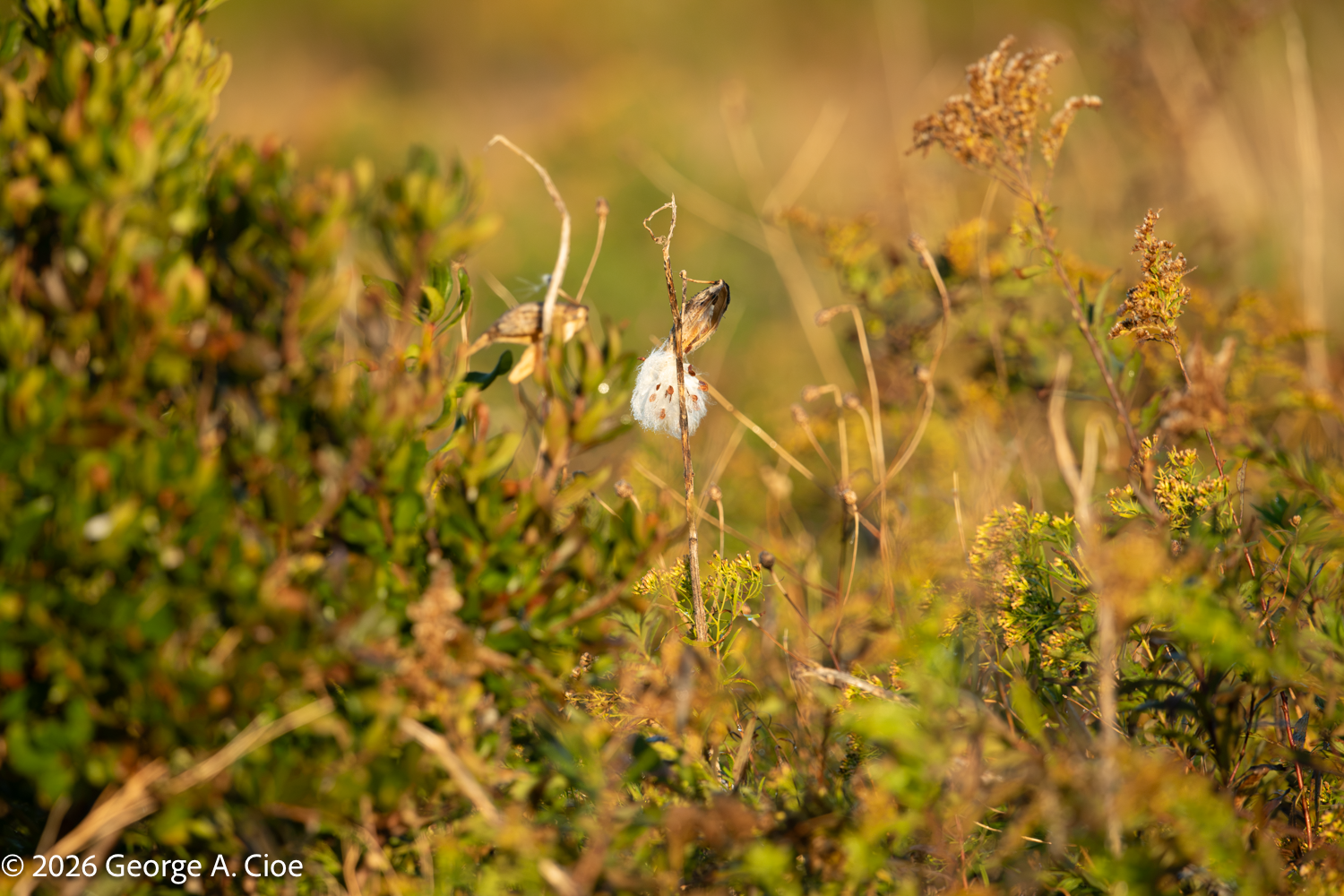

There it is!
A bird!
A rare one!
Maybe even a once-in-a-lifetime sighting!
And then…
It’s a weed.
Again.
Welcome to the wonderful world of bird photography, where years of experience, thousands of dollars in sophisticated equipment, and a lifetime of studying nature can all be defeated by a dead leaf.
Or a stick.
Or, in one particularly humiliating instance, a piece of airborne fluff that wasn’t even attached to anything.
I have a gift.
Unfortunately, it’s not always the gift of accurate identification.
Let me explain.
Bird photography requires a keen awareness of your surroundings.
A broad knowledge base.
A wealth of experience.
The patience of a saint.
And optical marvels that would make NASA blush.
And I have it all.
Well…
Almost.
Because despite all that preparation, I still occasionally have difficulty distinguishing between two entirely different kingdoms of life.
Plantae.
And Animalia.
For those of you who slept through biology, that’s plants and animals.
Not exactly a subtle distinction.
We’re not talking about confusing a Cooper’s Hawk with a Sharp-shinned Hawk.
That’s understandable.
We’re talking about confusing a bird with something that has roots.
And has never flown anywhere in its entire life.
Unless you count a hurricane.
Here’s how it usually happens.
I’m out walking with approximately 40 pounds of photographic equipment.
My 800mm lens is mounted and ready.
My eyes are scanning the landscape like a military radar installation searching for an incoming missile.
And then…
MOVEMENT!
Or what I believe to be movement.
Something catches my eye in the distance.
A small shape.
Perched delicately on a branch.
Perfectly positioned in the golden morning light.
My pulse quickens.
Could it be a warbler?
A flycatcher?
A species I’ve never photographed?
Perhaps a bird so rare that ornithologists will be calling me before breakfast.
I stop.
Carefully raise the camera.
Look through the viewfinder.
Nothing definitive.
But I’m excited.
There’s a distinctive shape.
A suggestion of feathers.
Maybe even a beak!
This could be BIG.
So I move closer.
Slowly.
Quietly.
Carefully placing each foot to avoid snapping a twig.
Because, as every wildlife photographer knows, the slightest noise can send a bird flying.
Unless, of course, the bird is a twig.
In which case you could start a chainsaw and it wouldn’t give a damn.
But I don’t know that yet.
I’m stalking my quarry.
I stop again.
Raise the camera.
Focus.
And…
Wait.
Something isn’t right.
The bird isn’t moving.
Not a feather.
Not a twitch.
Not even the slightest indication that it’s breathing.
Now, some birds are extraordinarily good at remaining motionless.
Owls, for example, can sit perfectly still for remarkable lengths of time.
But this?
This is taking patience to an entirely new level.
I adjust my position.
Refocus.
Increase the magnification.
And there it is.
In magnificent detail.
A dead leaf.
Wwaa.
Whaa.
Waaaaaaa.
Another triumph for modern optical engineering.
Forty pounds of equipment.
Decades of experience.
An 800mm lens.
And I’ve successfully identified autumn.
But wait. It gets worse.
Sometimes the illusion is so convincing that I actually take photographs.
Multiple photographs.
Different exposures.
Different compositions.
I might even wait for the subject to turn its head.
Which, in retrospect, is asking quite a lot of a seedpod.
And then there’s the moment of discovery.
I zoom in on the camera’s monitor.
Expecting a magnificent portrait of an elusive bird.
Instead, I’m looking at a botanical specimen.
Perfectly exposed.
Tack sharp.
Beautiful background.
Absolutely no bird.
National Geographic will not be calling.
Unless they’re doing a special issue on idiots in the shrubbery.
And before you think this is a rare occurrence, let me assure you that nature has developed an entire arsenal of devices specifically designed to humiliate bird photographers.
Curled leaves that look like perched songbirds.
Broken branches that resemble hawks.
Seedpods that masquerade as sparrows.
And my personal favorite…
Tufts of silky plant fibers that look remarkably like a bird’s fluffy backside.
That last one deserves special recognition.
Because I have actually photographed one.
Exhibit A.
A lovely little arrangement of silky white fibers, delicately suspended from a dried stalk.
Beautifully illuminated by the morning sun.
And for a fleeting moment, suspiciously avian.
Until I realized that the only thing likely to take flight was the seed fluff.
And it wouldn’t need wings.
Just a breeze.
Then there’s Exhibit B.
A slender, gracefully curved vine rising above the vegetation.
A few leaves hanging from its branches.
Against a beautiful blue sky.
From a distance?
A bird perched above the shrubs.
From 800mm?
A plant.
Again.
At this point, I suspect the local birds have organized a spectator section.
I can almost hear them.
“Hey, Charlie! Come over here!”
“What’s happening?”
“That guy with the enormous camera is photographing a stick again!”
“You’re kidding!”
“Nope. He’s been standing there for ten minutes!”
“Should we fly over and give him something real to photograph?”
“Nah. Let’s see if he tries to feed it.”
I wouldn’t put it past them.
After all, these are creatures that can spot a tiny insect from remarkable distances, navigate thousands of miles during migration, and disappear into vegetation the instant I get my camera properly focused.
Meanwhile, I can’t distinguish a bird from a dried flower.
Who exactly is the more intelligent species here?
Don’t answer that.
But here’s the wonderful thing about all this.
I wouldn’t change a minute of it.
Because every one of those mistaken identities began with something important.
Curiosity.
Something caught my eye.
Something made me stop.
Something encouraged me to look a little closer.
And even when the magnificent bird turned out to be a botanical imposter, I discovered something beautiful.
The delicate architecture of a seedpod.
The graceful curve of a vine.
The way morning sunlight transforms an ordinary weed into a tiny work of art.
Things I might never have noticed if I hadn’t been looking for birds.
And that’s one of the unexpected gifts of wildlife photography.
You go out looking for one thing.
And nature shows you something else.
Sometimes it’s spectacular.
Sometimes it’s surprising.
And sometimes it’s a stick.
But there’s beauty in all of it.
Even if the photographer is occasionally the punchline.
So the next time you see a fellow wandering through a wildlife refuge carrying a lens approximately the size of a small artillery piece, creeping cautiously toward an innocent shrub…
Please don’t laugh.
He’s engaged in the serious scientific pursuit of identifying wildlife.
Or vegetation.
We’re still working on that distinction.
And if you happen to hear him whisper excitedly, “There it is!”
You might want to wait before asking what species.
Because there’s an excellent chance the answer will be…
“I believe it’s a North American Lesser Spotted Twig.”
Very rare.
Extremely elusive.
And apparently incapable of migration.
Unless somebody starts a leaf blower.
Love nature. Stay curious. And never underestimate the ability of a dead leaf to ruin a perfectly good birding expedition.
’d love to share my posts with you. If you subscribe, they’ll come straight to your inbox—most days, like a little note from me to you. It means a lot to know you’re reading along.
Browse my complete art portfolio and shop for prints at imagesbygacioe.shop




Leave a Reply