
Feathers fluffed. Worms collected. Songs rehearsed. It’s springtime in the avian world—and that means one thing: mating season.
From suburban backyards to coastal beaches and freshwater marshes, birds are showing off in their own uniquely bizarre ways to win over a mate. Some sing their hearts out. Others throw sticks in the air like dramatic poets. And one offers shiny seafood like a miniature sushi chef.
Let’s meet six species with very different approaches to finding love—and learn the quirky (and science-backed) facts behind their courtship rituals.
🐦 American Robin (Turdus migratorius)
Conservation Status: Least Concern
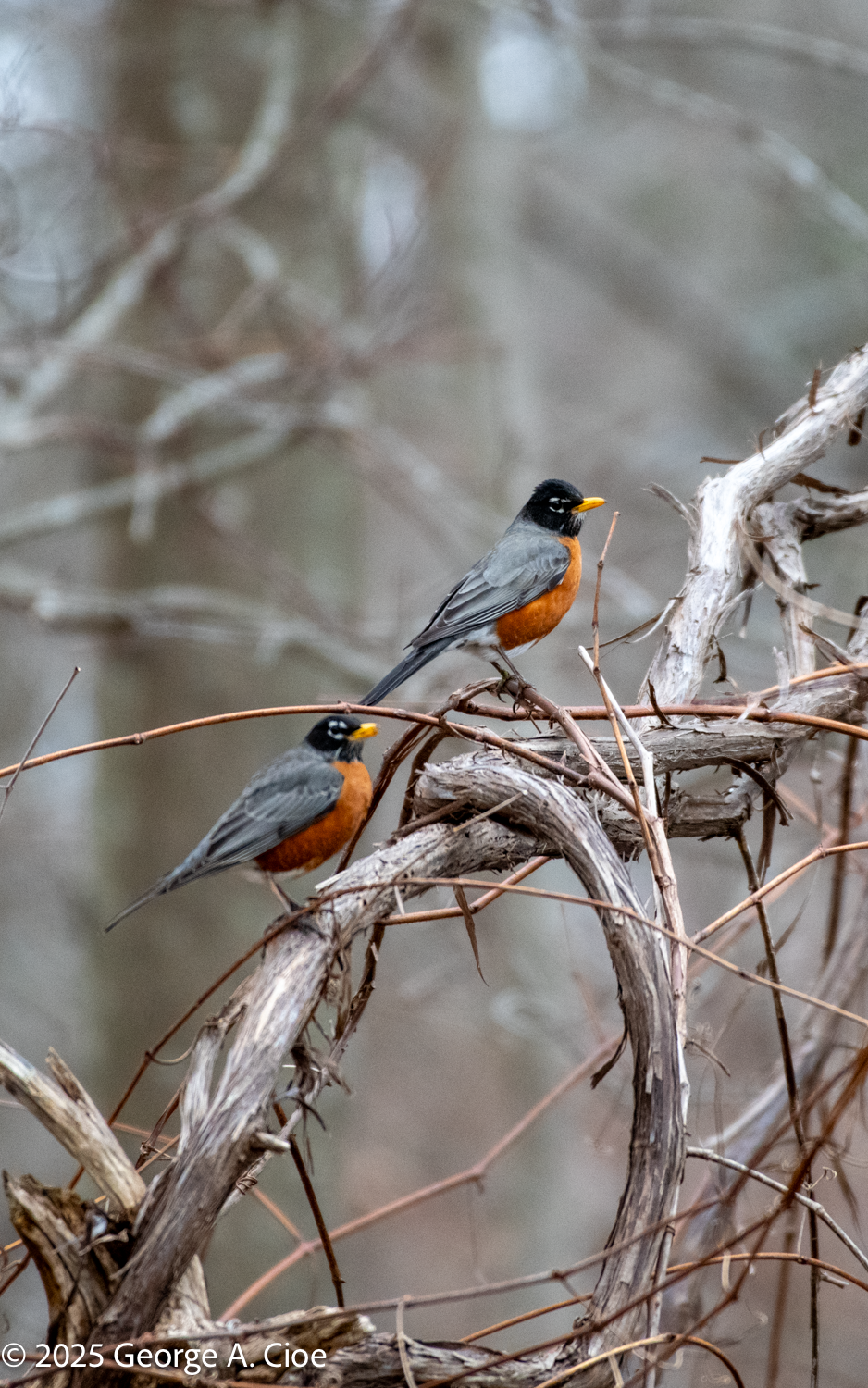
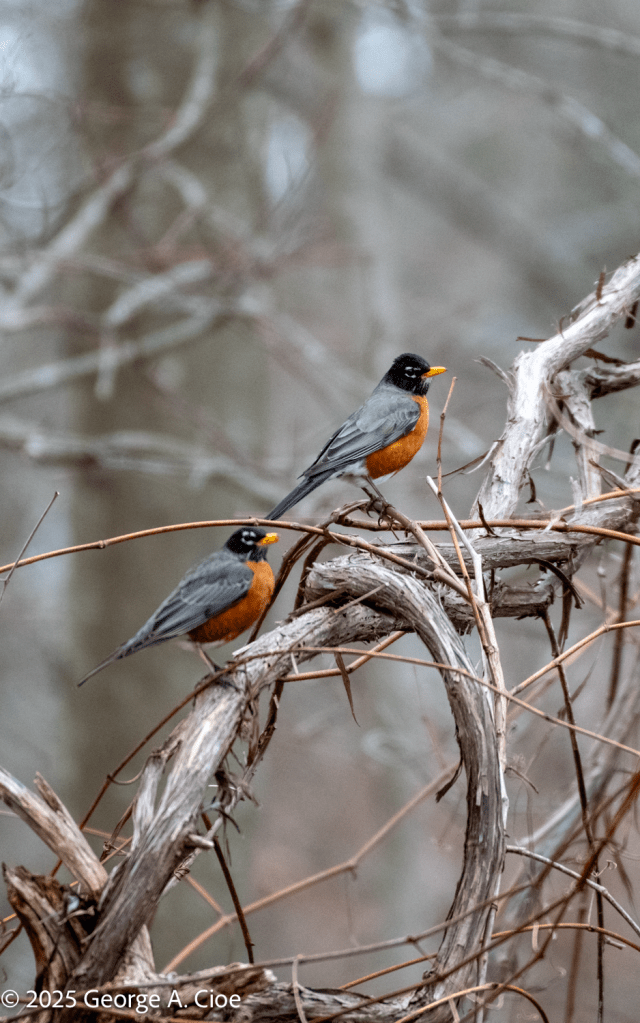
You’ve seen them on lawns everywhere, cocking their heads as they yank worms from the dirt. But did you know robins are also food-forward romantics?
Courtship Facts:
- Male robins court females by puffing out their red-orange chests and singing from high perches.
- They also present food, especially earthworms, as a courtship gift.
- Females may judge males on their territory and foraging skills—good providers make good partners.
- Pairs often form during spring migration, and some remain together through a breeding season.
Fun Twist: If she takes the worm, it’s often game on. If not, he may have to go worm shopping elsewhere.
🐟 Least Tern (Sternula antillarum)
Conservation Status: Endangered (U.S. Interior Population)
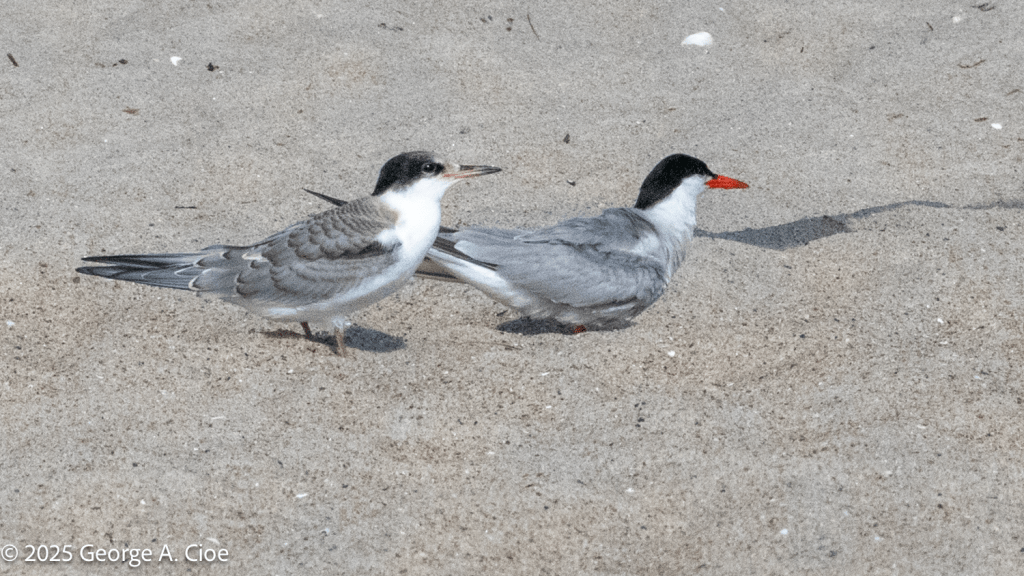
This tiny shorebird is a big romantic—with a fishy twist. The Least Tern is North America’s smallest tern species, and while they may look delicate, their courtship ritual is surprisingly competitive.
Courtship Facts:
- Male Least Terns offer small, silvery fish to females during the courtship display known as “fish flight.”
- The ritual includes aerial chases, vocalizations, and fish presentation. If the female accepts the fish, mating usually follows.
- Nesting typically occurs on sandy beaches, making them vulnerable to habitat loss and human disturbance.
Conservation Note: The Interior population (nesting along rivers) is federally endangered due to damming, development, and loss of nesting sites. Beach-nesting colonies are also sensitive to disturbance.
💃 Sandhill Crane (Antigone canadensis)
Conservation Status: Least Concern (but some regional populations are protected)
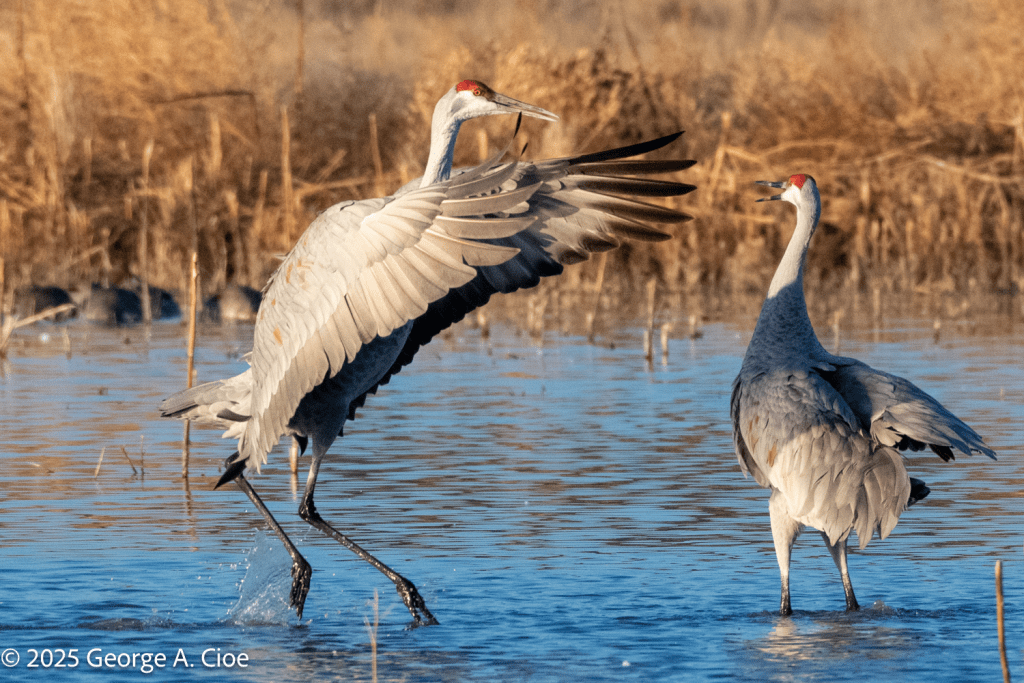
Elegant and oddly dramatic, Sandhill Cranes put on one of the most spectacular courtship dances in the bird world. They’re tall, gray, and known for their eerie, rolling calls—and their moves.
Courtship Facts:
- Courtship includes leaping, wing-flapping, bowing, stick-tossing, and synchronized dancing.
- Mated pairs “duet” with unison calls to reinforce their bond.
- Cranes usually mate for life and return to the same nesting areas each year.
- Despite being a common sight in many regions, some subspecies (e.g., the Mississippi Sandhill Crane) are endangered.
Fun Twist: They sometimes dance outside of mating season—just for fun.
🦢 Mute Swan (Cygnus olor)
Conservation Status: Introduced species in North America; invasive in some regions
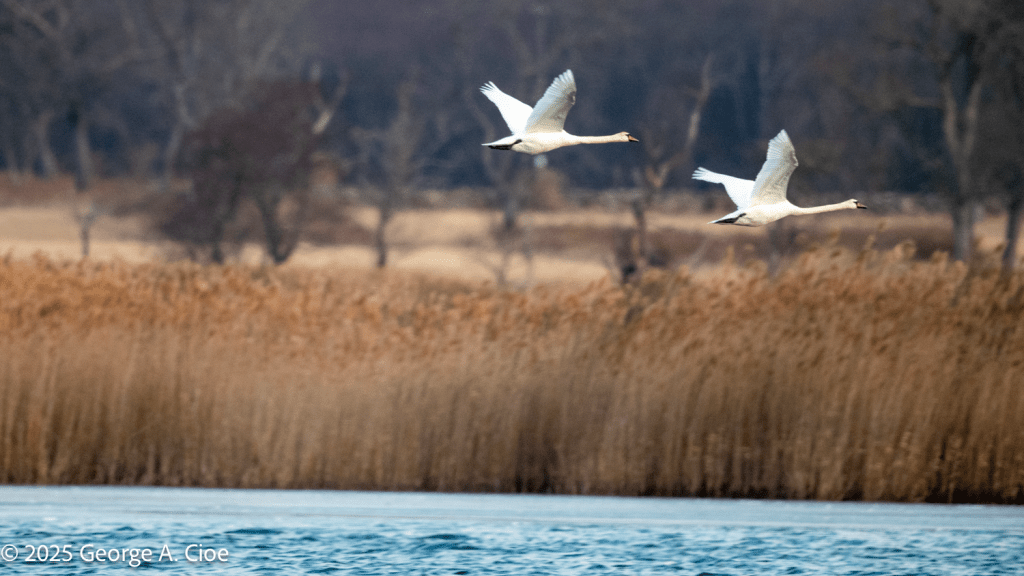
The Mute Swan isn’t technically mute (they hiss, grunt, and snort), but their courtship is almost balletic. These swans are the old-world royalty of pond romance.
Courtship Facts:
- Courtship involves synchronized swimming, gentle bill-dipping, and elaborate nest-building.
- Mute Swans often form long-term, monogamous pairs.
- Nest building is a major bonding activity; both sexes contribute, but the male (cob) often does most of the gathering.
- Native to Europe and Asia, they were introduced to North America in the 19th century for ornamental purposes.
Conservation Note: In parts of the U.S., Mute Swans are considered invasive because they displace native waterfowl and damage aquatic vegetation.
🕊️ Mourning Dove (Zenaida macroura)
Conservation Status: Least Concern (but hunted in some areas)
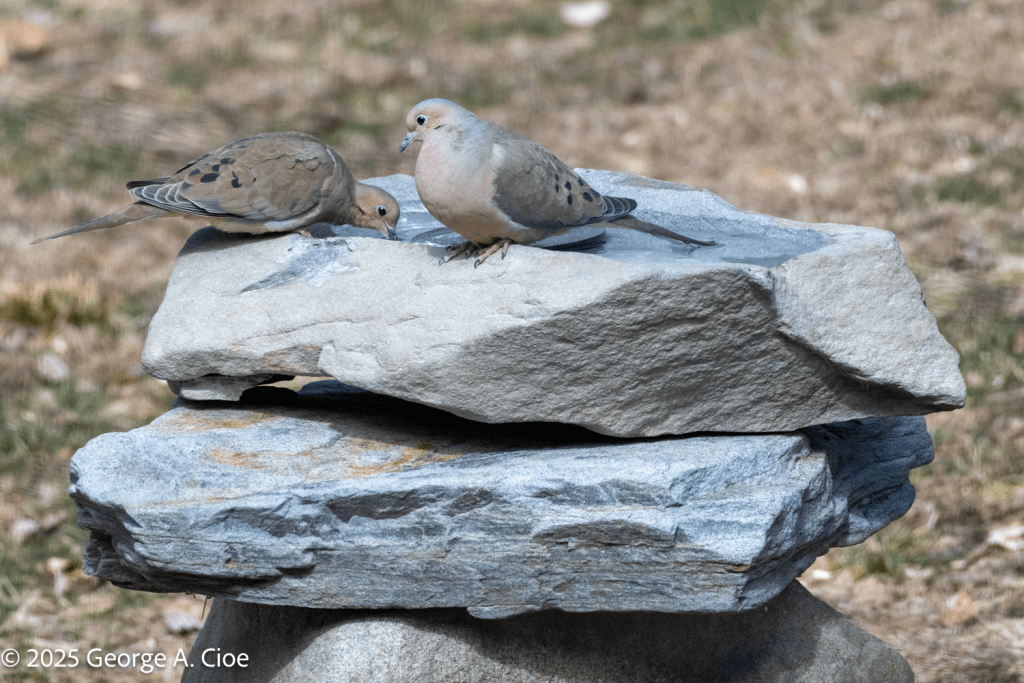
Soft, gray, and cooing like the soundtrack to a moody romance movie, the Mourning Dove is a gentle bird with an understated but effective courtship strategy.
Courtship Facts:
- Males perform a “display flight,” swooping upward and gliding down with outstretched wings.
- On the ground, males coo and puff up their chests to impress females.
- Mutual preening and billing (beak-touching) help reinforce pair bonds.
- Monogamous pairs often stay together through multiple broods in a single season.
Bonus Fact: Despite their gentle nature, Mourning Doves are among the most heavily hunted game birds in North America.
🎶 House Finch (Haemorhous mexicanus)
Conservation Status: Least Concern
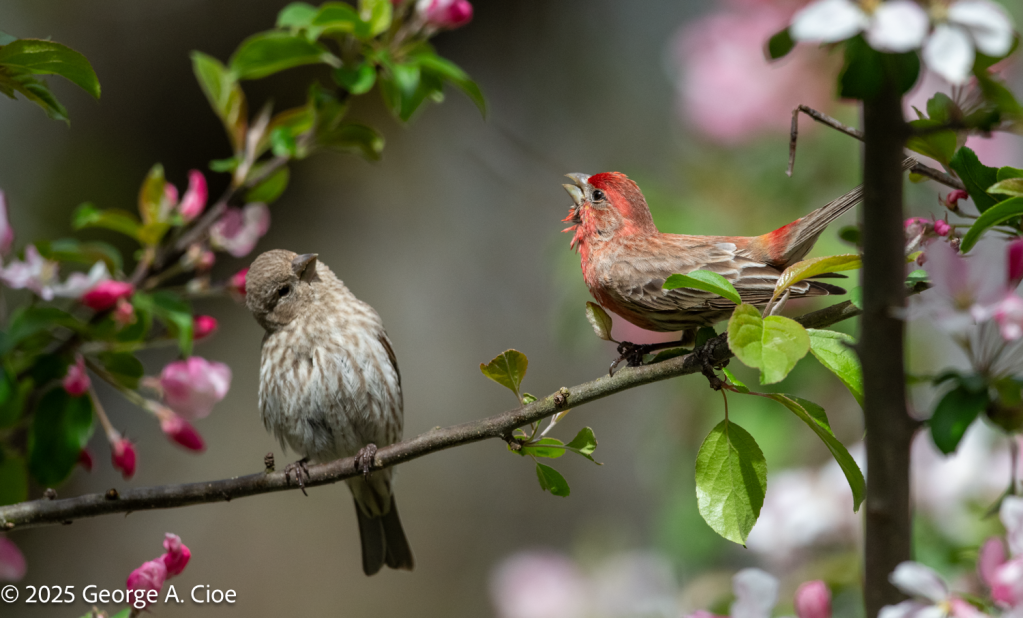
The House Finch is the indie singer-songwriter of the bird world. Originally from the western U.S., this species is now a common sight at feeders across the country.
Courtship Facts:
- Males sing complex, warbling songs to attract females, often from a high perch.
- Bright red plumage (derived from diet) is a key sign of male health and attractiveness. The redder, the better.
- Males may also “offer” food during courtship feeding, mimicking future parenting behavior.
Fun Fact: House Finches were first introduced to the eastern U.S. in the 1940s after being sold illegally as “Hollywood Finches.” They escaped, thrived, and are now widespread.
Final Thought:
While each of these birds may “flock together” when it comes to feathers, their dating styles are wildly different. From fish gifts to dance battles, worm presentations to heartfelt coos—love in the avian world is full of flair, facts, and feathers.
And whether endangered or common, each species plays a vital role in our ecosystems—and reminds us that love comes in many forms… even if it sometimes involves flinging a stick or singing at 5 a.m.
Subscribe below and get my daily (okay, most days—let’s not get crazy) post delivered straight to your inbox. Like magic. But with fewer rabbits. 🐇✉️
Browse my complete art portfolio and shop prints at imagesbygacioe.shop




Leave a Reply