
What the ……
I’ll never forget the first time I saw it.
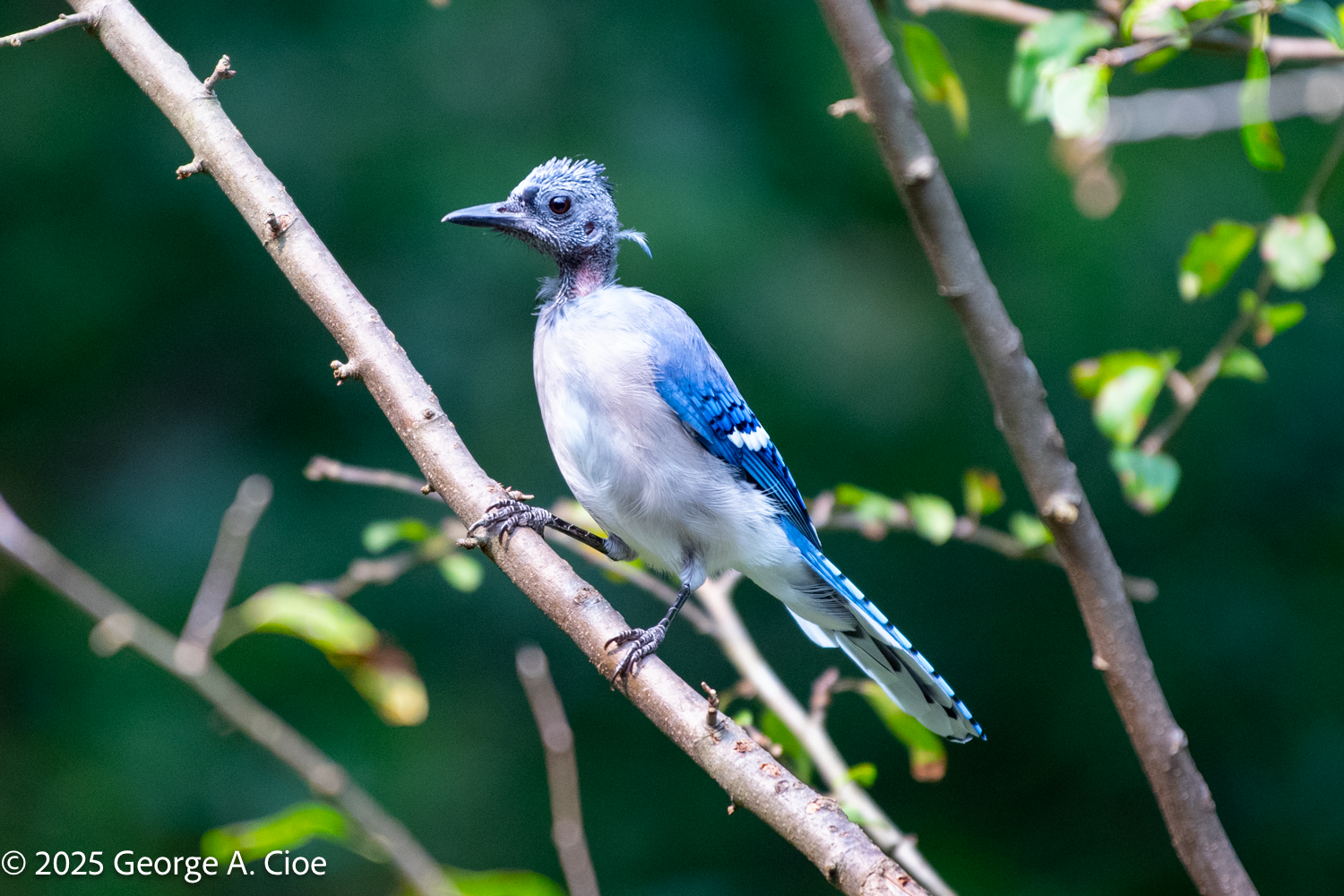
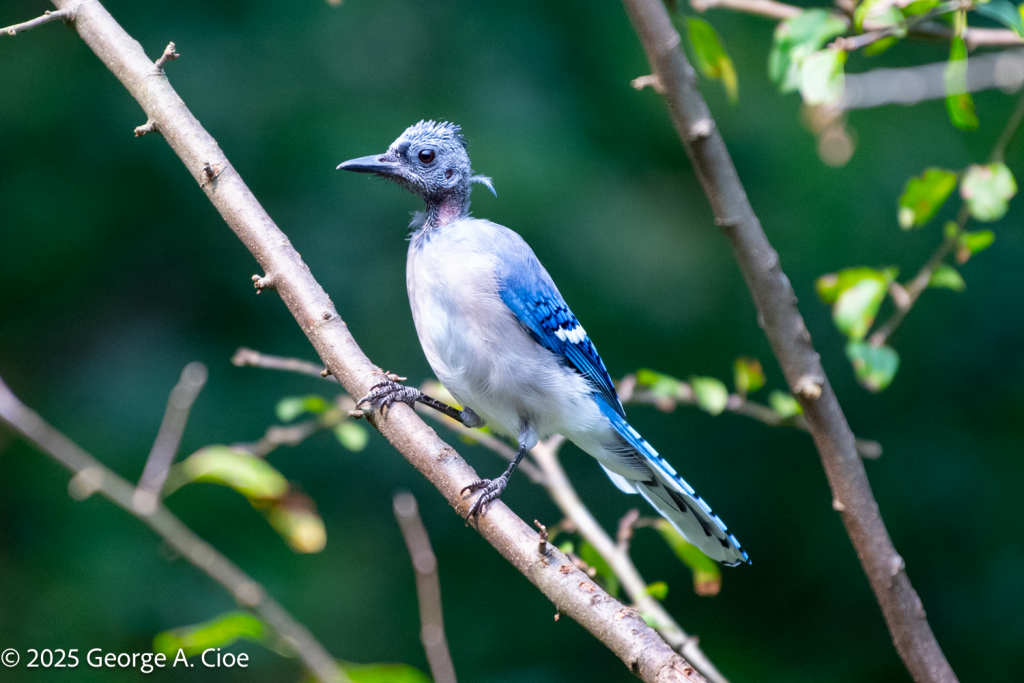
That blue jay’s head erased any lingering doubt—yep, dinosaurs didn’t go extinct, they just downsized and got feathers.
The bird looked… bad. Like, what-happened-to-you?! bad.
Its head was bald. Feathers stuck out at odd angles. It looked like it had flown through a thunderstorm, backward. I actually felt sorry for it—convinced it was sick, injured, or just barely surviving.
So I did what any curious (and mildly alarmed) person would do: I Googled it. I was fully prepared to uncover some rare feather disease or tragic survival tale.
What I found instead?
Molting.
Plain old, ordinary, nothing-to-worry-about molting.
Molting: Nature’s Messy Makeover
Molting is the natural process where birds shed old feathers and grow new ones. It happens in nearly every bird species and usually occurs once or twice a year, most often in late summer or early fall.
But wow, does it look weird.
During a molt, birds can appear ragged, patchy, or downright scruffy. Some birds lose feathers gradually, while others drop them all at once in certain areas—like their heads. This leads to some truly alarming appearances. (Yes, I’m talking to you, bald Blue Jay.)
What makes things look even stranger? The emergence of pin feathers—new feathers that grow from follicles and are covered in a keratin sheath. These can make a bird look prickly or bristly until they’re fully formed and preened.
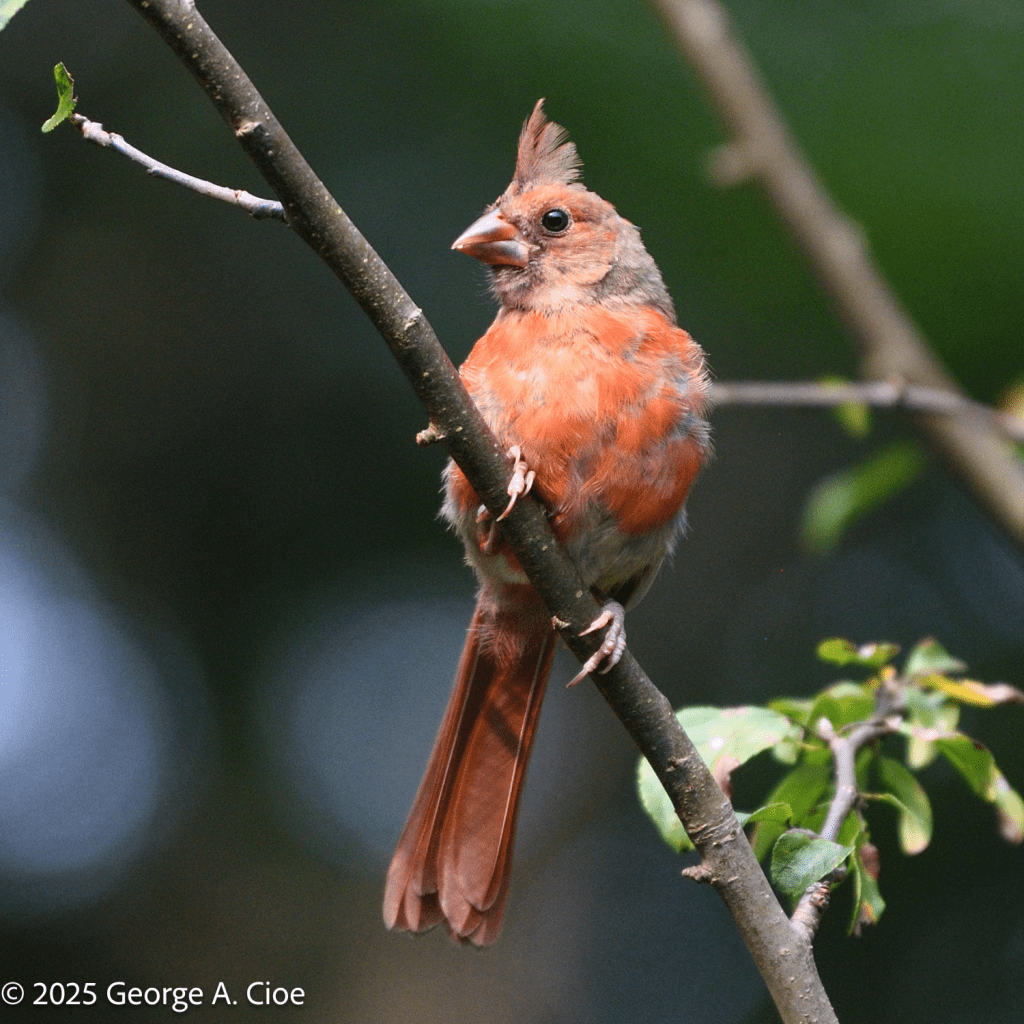
In my case, I had photographed a female Northern Cardinal mid-molt. One side of her face was classic beauty, and the other looked like a science experiment. The Blue Jay I saw was even more dramatic—totally bald on top, like he was gearing up for a bad disguise.
Why Do Birds Go Bald?
When birds lose feathers around the head, it’s called capital tract molting. While it might look like something’s wrong, it’s actually normal for many species—especially Blue Jays and Northern Cardinals.
The exact cause of head molting isn’t fully understood. Some researchers think it may be:
- A genetic quirk in how some birds molt
- A reaction to skin parasites or irritants
- More common in juvenile birds during their first molt
Either way, it usually resolves within a few weeks, and the bird grows back a fresh, clean set of feathers—looking good as new.
How to Help Backyard Birds During Molting
Molting is tough on birds. It takes a ton of energy and nutrients to grow feathers, and they can’t fly as efficiently while it’s happening. Here are a few simple things you can do to help:
🥜 1. Provide High-Protein Foods
Feathers are over 90% keratin, a protein. Birds need high-quality fuel—like suet, sunflower seeds, peanuts, and mealworms—to regrow feathers efficiently.
🚿 2. Offer Bathing Opportunities
A shallow birdbath helps soothe itchy skin and softens the sheaths around pin feathers, making them easier to preen.
🧘 3. Keep the Environment Calm
Reduce disturbances like pets, loud noises, or overzealous photography (yes, I’m looking at myself). A calm space helps birds conserve energy.
🩺 4. Watch for Signs of Trouble
If a bird’s molt looks severe, lasts unusually long, or is accompanied by signs of illness, it’s best to contact DEM (in RI) or an avian expert.
Bald Is Beautiful (Eventually)
These days, when I see a bird that looks like it’s having a seriously bad feather day, I just smile.
Because now I know it’s not sick or suffering—it’s just going through nature’s version of a wardrobe change.
And honestly? I hope I’m around the next time someone sees their first “capital tract” molting bird.
That stunned look, the gasp, the immediate need to Google it?
Priceless.
Subscribe below and get my daily (okay, most days—let’s not get crazy) post delivered straight to your inbox. Like magic. But with fewer rabbits. 🐇✉️
Browse my complete art portfolio and shop prints at imagesbygacioe.shop



Leave a Reply