
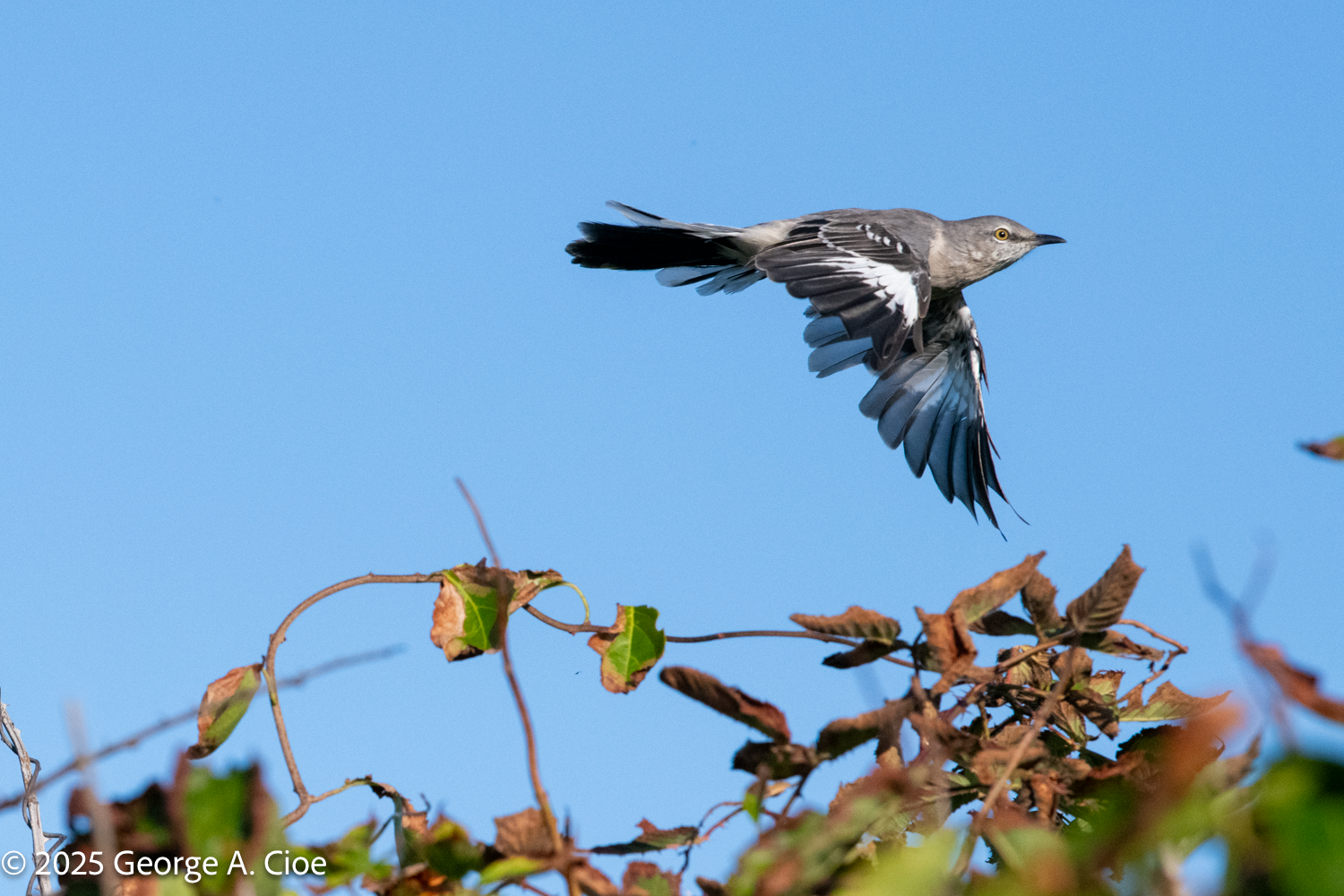

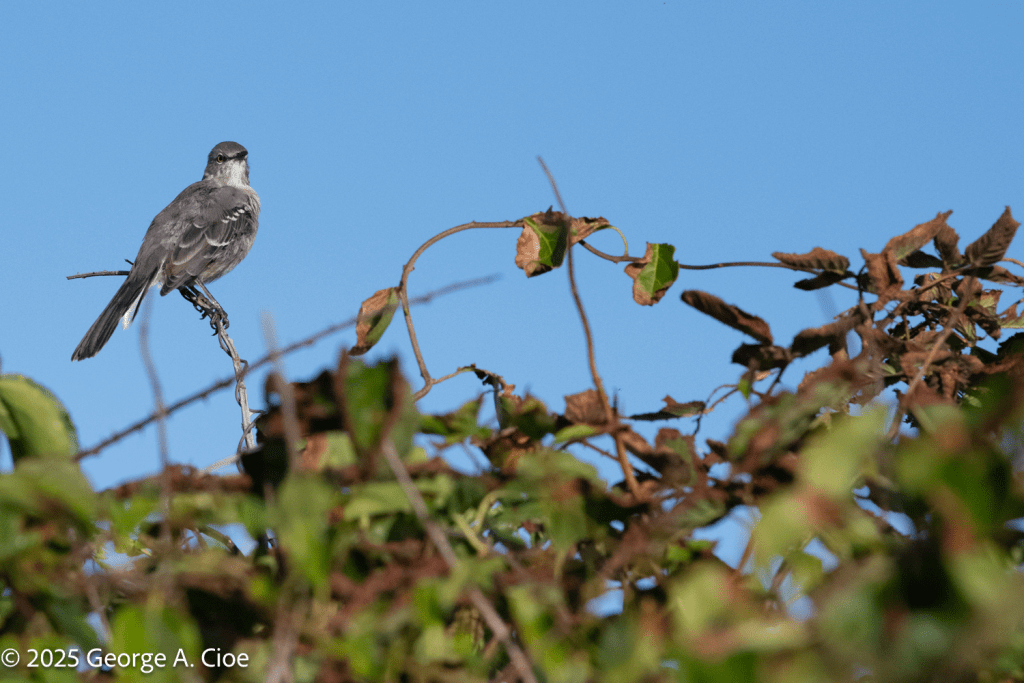
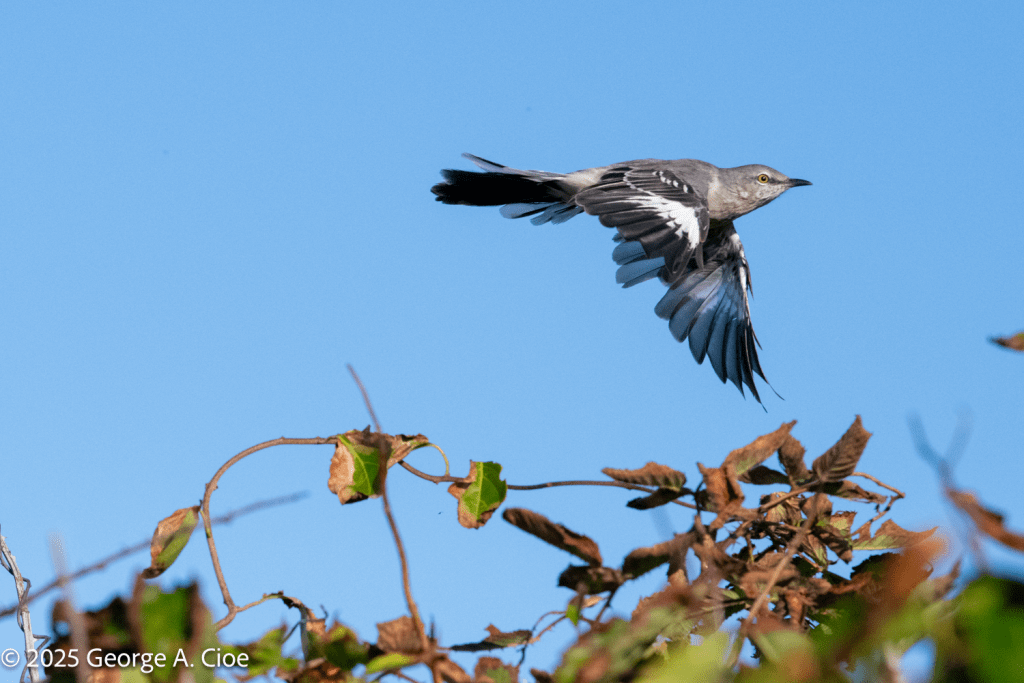
Bird photography is one of those artistic pursuits where humility isn’t optional—it’s built into the job description. Imagine carefully adjusting your exposure triangle, dialing in a perfect 1/2000 shutter speed, ISO hovering in a manageable range, aperture just right for depth of field… and then your subject takes one look at you and flies away. You’re left with nothing but a blurry tail feather and an existential crisis.
That’s the thing about birds: they move. A lot. And they don’t care about your golden-hour light or your painstakingly balanced tripod. They have wings, after all, which makes them the ultimate critics—if they don’t like your approach, they simply vanish into the sky.
Now, it’s not like I’m under-equipped. I work with two Nikon D850 bodies and a 200-500mm (for fast in-flight captures) and an 800mm lens that costs more than my first car. But the gear doesn’t make the photographer; it just makes the mistakes sharper. As one friend put it, shooting with an 800 is like trying to follow a flying object through a soda straw. With added neck cramps.
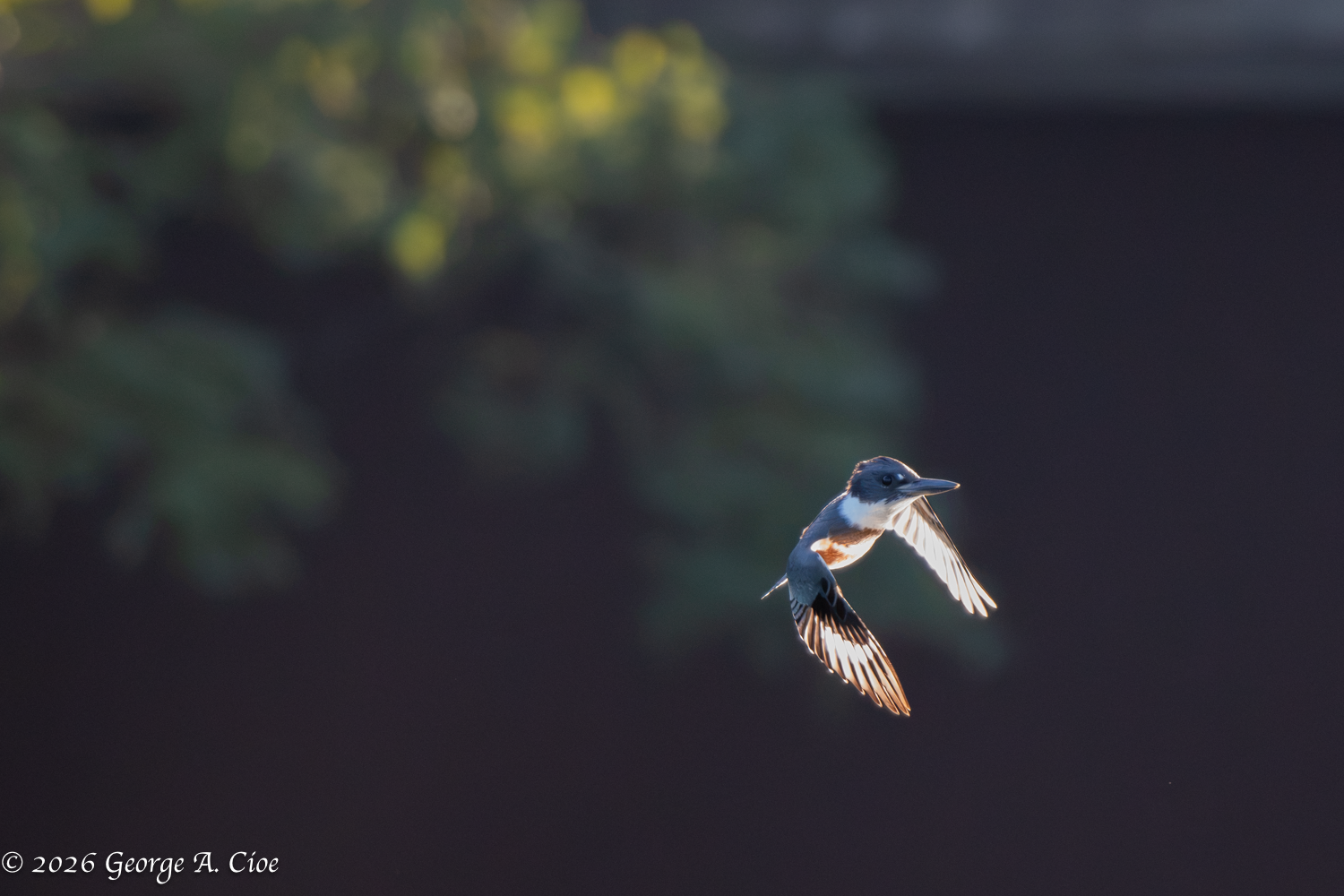
So what’s the secret? Anticipation. Bird photography is as much about understanding behavior as it is about understanding aperture. You start learning the subtle predictors: the way a mockingbird flicks its wings just before takeoff, or how a kingfisher leans forward like a sprinter on the blocks before plunging headfirst into the water. Anticipation is the currency of bird photography—without it, you’re just a spectator with expensive binoculars.
But even when you do anticipate, nature has its ways of mocking you. Take the case of the porcelain berry vine in these photos. Gorgeous berries, colorful and bird-attracting, yes—but the vines produce tendrils that seem perfectly engineered to photobomb. In the moment, you don’t notice them. Later, while reviewing your captures, there they are: little twigs slicing through your bird like a toddler with a crayon across the Mona Lisa.
Still, nothing compares to the challenge of birds in flight. Getting one sharp, full-frame, and properly composed is like juggling while riding a unicycle on ice. Sometimes you nail it. More often, you have an elegant shot of sky. Or half a wing. Or, my personal favorite, an award-worthy photograph of nothing at all because your autofocus locked onto a branch instead.
And yet—here’s the part that keeps me coming back—I love it. On my fifth attempt at photographing that stubborn mockingbird, I finally aligned everything: light, wind direction, perch position, and my own half-decent reflexes. The bird launched exactly where I predicted, my shutter burst sang its machine-gun symphony, and one frame was magic.
That was my reward. A fleeting instant, frozen forever.
Photography, I’ve realized, isn’t about perfection. It’s about persistence, passion, and a willingness to laugh at yourself along the way. Because in this art form, failure is guaranteed—but so is the occasional, glorious success that makes every comical misfire worthwhile.
And that, my friends, is why I love it.
Subscribe and get my posts delivered right to your inbox. I try to write most days, and I’d love to share those reflections and stories with you. It means a lot to know you’re reading along.
Click on the link to view and purchase these images in my online gallery at ImagesByGACioe.shop
Leave a Reply