

Sunset Farm, Narragansett, RI – May 4
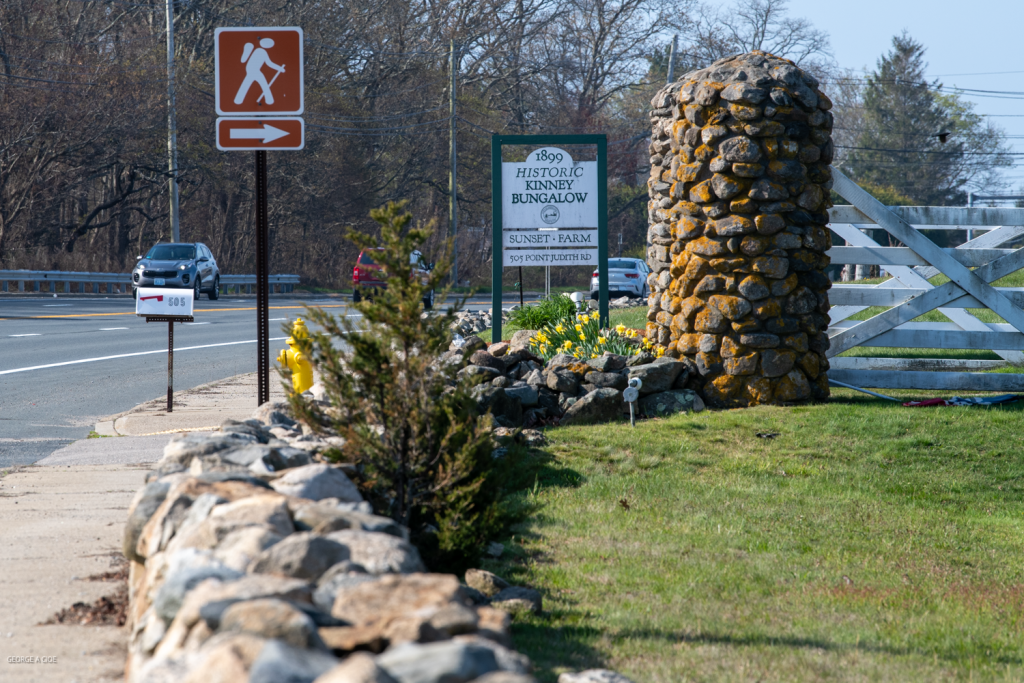


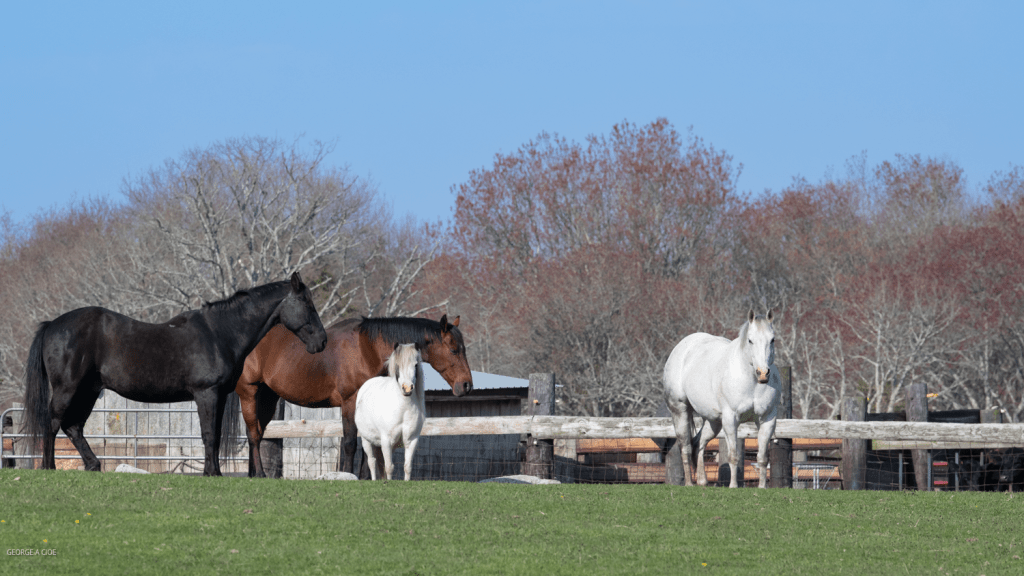



I didn’t come here looking for a revelation.
I came for a bird.
A Brown-headed Cowbird, to be exact.
Now, if you’ve read anything I’ve written, you already know this is a dangerous starting point. Because nothing in nature ever stays contained. You go looking for one thing… and the entire world politely rearranges your agenda.
It’s May 4.
Which, in Narragansett, means one thing:
Expectation has officially outpaced reality.
No tomatoes.
No corn.
No baskets overflowing with color.
Just fields.
Honest, patient, not-yet-ready fields.
But something else was immediately clear.
There was movement.
Purposeful movement.
No one standing around scrolling a phone.
No idle conversations drifting into nowhere.
No “killing time.”
There was too much work to do.
And everyone knew it.
I’ve heard it said that a paint job is 90% prep and 10% painting.
Standing there, watching the rhythm of this place, I realized farming might be even more extreme.
Because all of this—
The soil turning.
The planning.
The maintenance.
The timing.
The repetitive, unglamorous labor—
Is simply preparing for two things you don’t control:
Sun… and water.
I pulled in, camera ready, scanning for my feathered target.
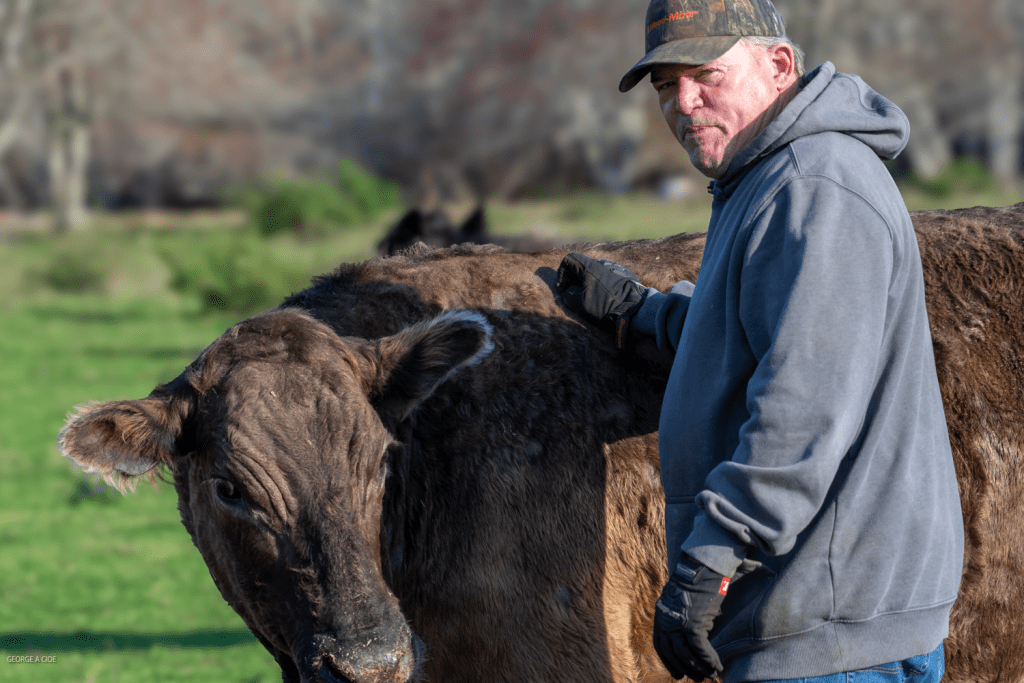
Instead, I was greeted—no, welcomed—by Jeff and Susan Farrell.
Not a casual “hello.”
A genuine, glad you came kind of welcome.
They saw the cameras.
“Birds?”
“You here for birds?”
We talked about birds, the land, and what was happening around the farm.
Then Jeff said something that, in most environments, would require legal paperwork and possibly a liability waiver.
“Go on down to the fields. The cattle are out. I’ll show you how to open the fence.”
Now, let’s pause there.
Because there are two kinds of fences in life:
- The kind meant to keep you out
- The kind that assumes you’ll behave if let in
This one… had electricity.
Jeff explained it simply.
Lift here.
Step through.
Don’t touch that unless you enjoy a memorable experience.
Then he added, almost casually:
“If one of the cows walks up to you real close, just give ’em a scratch on the head. All she wants is a little affection.”
He paused.
“The ones that don’t… will avoid you.”
Comforting.
In a deeply conditional sort of way.
I made my way down into the field carrying enough camera equipment to ensure I could neither flee quickly nor maintain dignity if things went sideways.
And then I noticed them.
All of them.
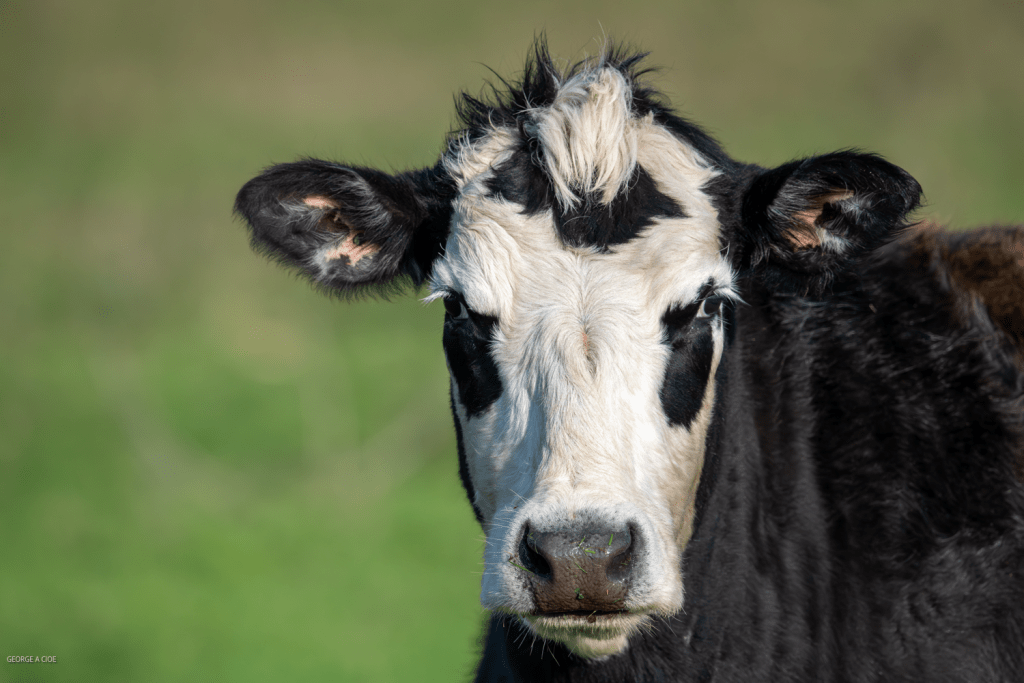
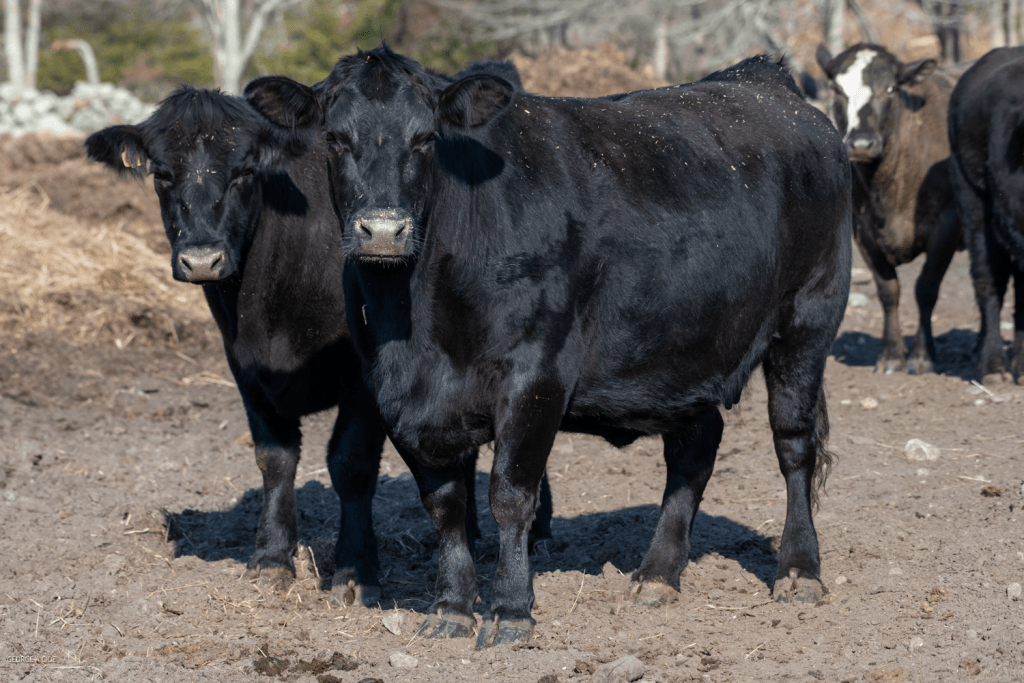
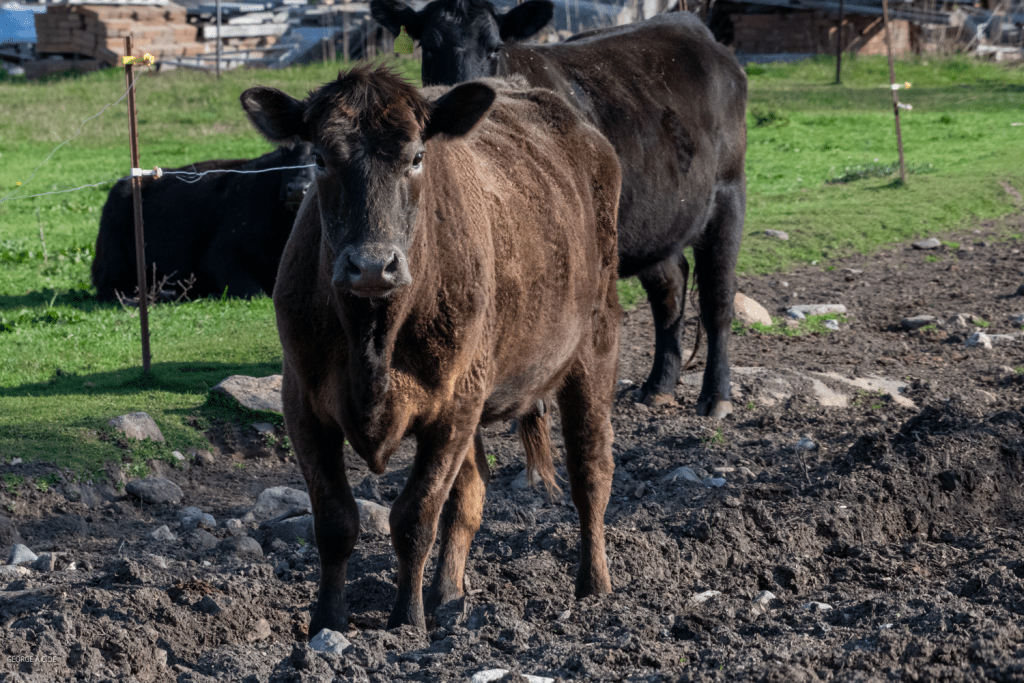
The cows, heifers, and steers stopped what they were doing simultaneously.
Walking.
Chewing.
Scratching.
Every head turned toward me at once.
It felt less like entering a pasture…
…and more like I had accidentally crashed a private party.
The look was unmistakable.
“Wait… who’s he?”
“And what exactly is he doing here?”
Now, let me clarify something.
These are not squirrels.
These are very large animals.
Large enough that when several of them stare at you in complete silence, your confidence begins leaking out of your body at an alarming rate.
I set up my tripod.
Dead stares.
No emotion.
No blinking.
No acknowledgment whatsoever that I was trying very hard to appear non-threatening.
I’ve never lived in a city.
But standing there in that field, surrounded by several thousand collective pounds of muscle and suspicion…
I felt like a complete city-boy.
And honestly?
The staring didn’t bother me.
For the first five minutes.
Then my mind started wandering into less productive territory.
Specifically:
“What exactly is the tell that cattle are about to charge?”
I searched my memory.
Nothing.
No dice.
Apparently, I had spent my entire life learning absolutely nothing useful about emergency bovine diplomacy.
So I made what I felt was the safest decision.
Ignore them.
Concentrate on the bird.
Back to the mission.
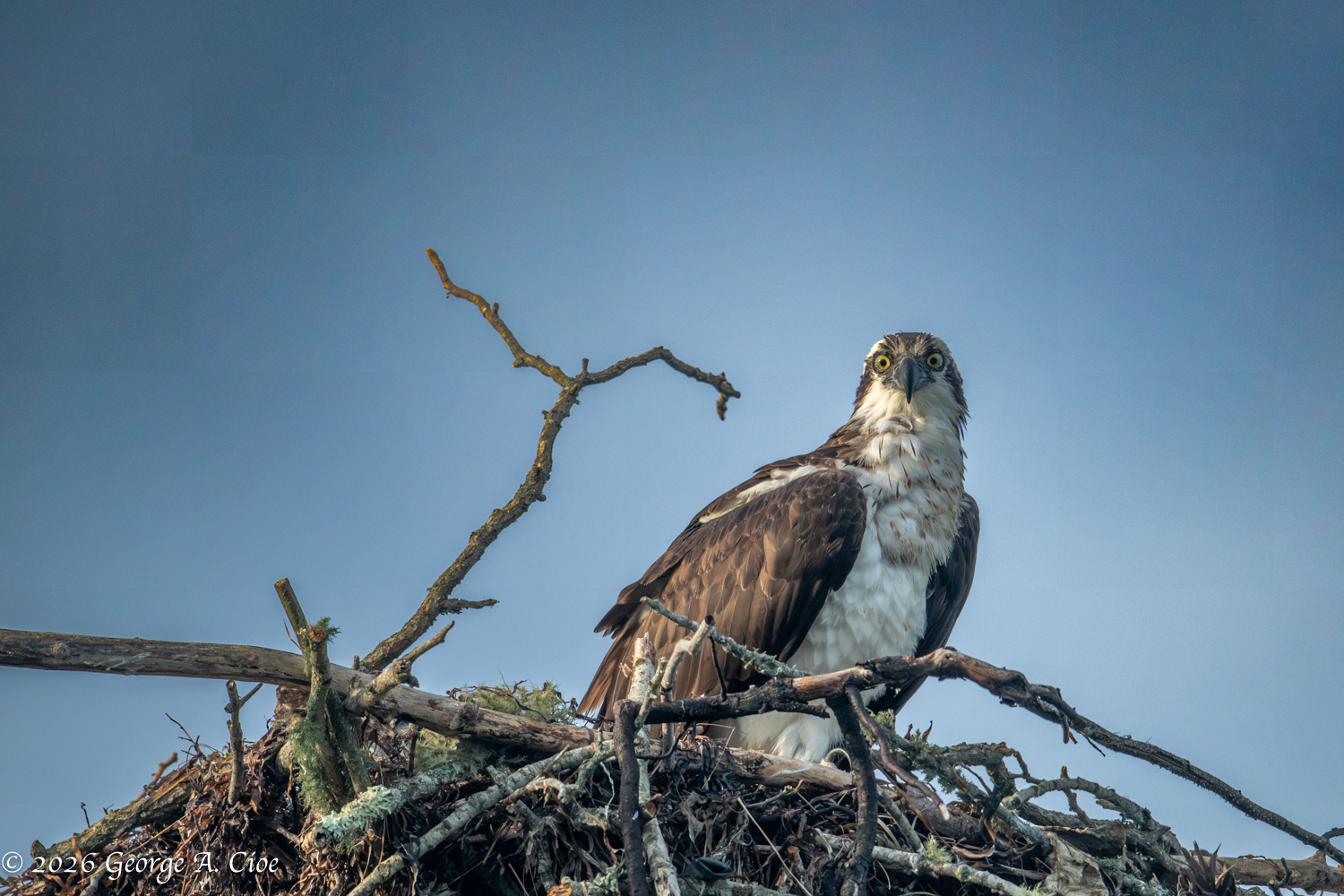
The Brown-headed Cowbird.
Small.
Dark.
Perched exactly where I wanted him.
I started composing shots.
Breathing easier.
Settling in.
And then…
There’s always one.
One member of the herd detached herself from the group and started advancing toward my position.
Now, I’ve seen walking.
I’ve seen strolling.
I’ve even seen what I would classify as determined movement.
But this?
This was meandering.
Slow.
Deliberate.
Suspiciously casual.
Like someone pretending they’re not coming over specifically to investigate you.
She closed the distance.
Thirty feet.
Twenty-five.
Twenty.
At this point, I was mentally reviewing Jeff’s advice with the intensity of a man studying for a final exam.
“Scratch her on the head.”
Right.
Of course.
Perfectly normal sentence.
Then, about fifteen feet from me, she stopped.
We locked eyes.
Neither of us entirely convinced about the other.
And then she did something I have never seen before.
Instead of turning around…
She started walking backwards.
Slowly.
Carefully.
Keeping her eyes on me the entire time.
Now I don’t know much about cattle behavior.
But I know surveillance when I see it.
And somehow, that backward walk felt more intimidating than if she had charged.
Because it suggested thought.
Strategy.
A coordinated security operation.
Eventually, she rejoined the others, apparently satisfied that I was neither predator nor particularly competent.
And honestly?
Fair assessment.
So I returned to the reason I was there.
The bird.
Still perched.
Still indifferent.
Still unconcerned with the existential livestock negotiations unfolding beneath him.
And standing there, camera in hand, surrounded by open fields, electric fence, suspicious cattle, and a farm quietly preparing for a season not yet visible…
It hit me.
This place isn’t trying to impress you.
It’s not curated.
It’s not staged.
It’s simply real.
Right now, in early May, Sunset Farm isn’t selling abundance.
It’s building it.
Preparing soil.
Repairing fences.
Moving with purpose.
Trusting that if the work is done correctly…
The sun and water will do their thing.
Maybe that’s the lesson.
Not bigger.
Not faster.
Not polished.
Just honest work performed in faith long before the results arrive.
I carefully negotiated the electrified fence on my way back like a man who had learned just enough to be cautious, but not enough to be confident.
Which, if we’re being honest, is exactly where I like to live.
I said my thanks.
Another real exchange.
No transaction.
No expectation.
Just appreciation.
I didn’t leave with produce.
I left with something better.
A reminder that most of what matters happens long before anyone sees the result.
And somewhere behind me, in a field that looked like nothing was happening…
Everything was.
I’d love to share my posts with you. If you subscribe, they’ll come straight to your inbox—most days, like a little note from me to you. It means a lot to know you’re reading along.
Browse my complete art portfolio and shop for prints at imagesbygacioe.shop


Leave a Reply