
There are signs in life that are subtle.
A raised eyebrow from your spouse when you announce you “need” another camera lens.
A dashboard warning light that’s been on so long it feels more like a decorative accent.
And then there are signs that are less subtle.
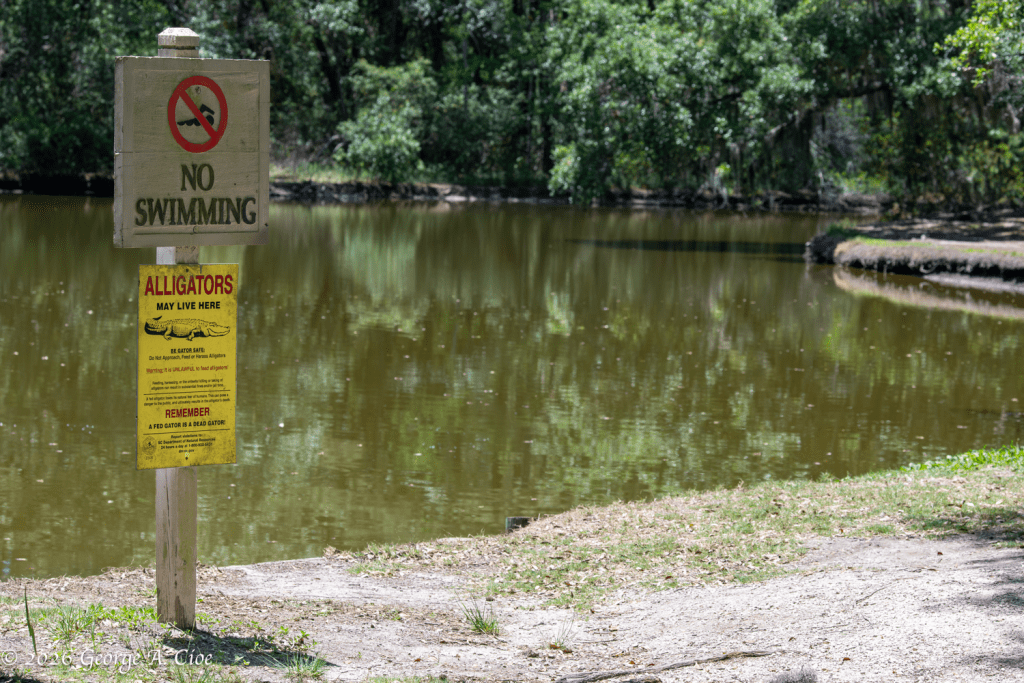
Like this one:
“NO SWIMMING — ALLIGATORS MAY LIVE HERE.”
Now I don’t know who wrote the wording for that sign, but I admire the optimism.
“May.”
That’s adorable.
That’s not a warning.
That’s a hostage negotiation.
Because once you actually SEE the alligator, the wording changes dramatically in your head.
“ALLIGATORS DEFINITELY LIVE HERE.”
“THEY HAVE LIVED HERE LONGER THAN YOU.”
“YOU ARE BASICALLY A SNACK WITH A CAMERA.”
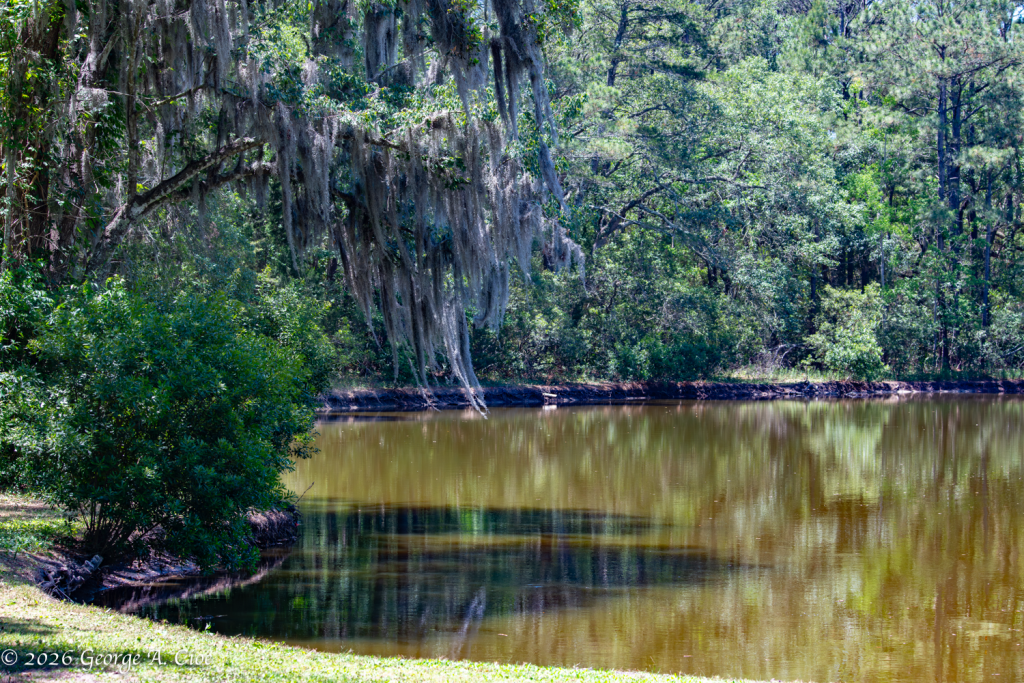
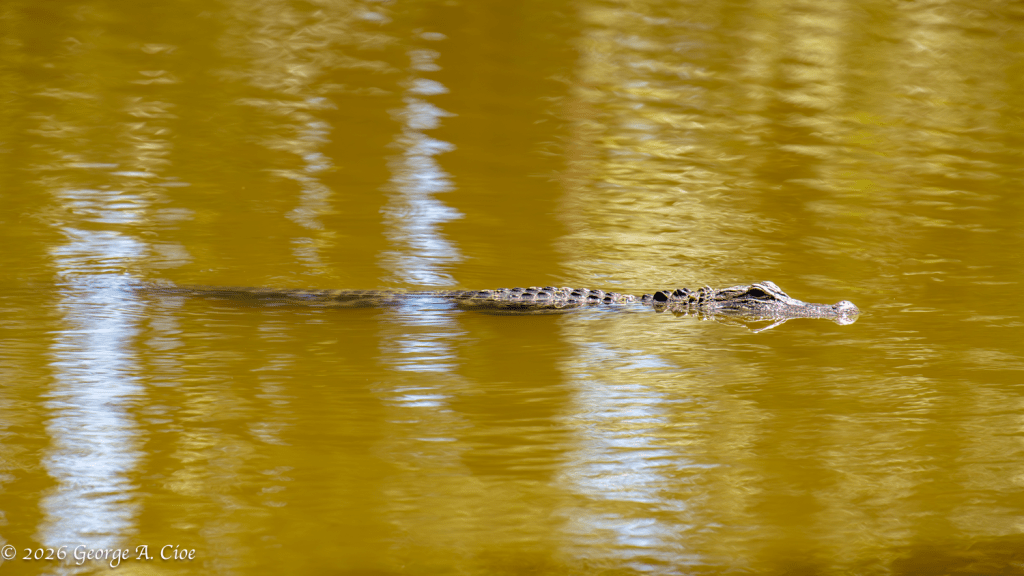
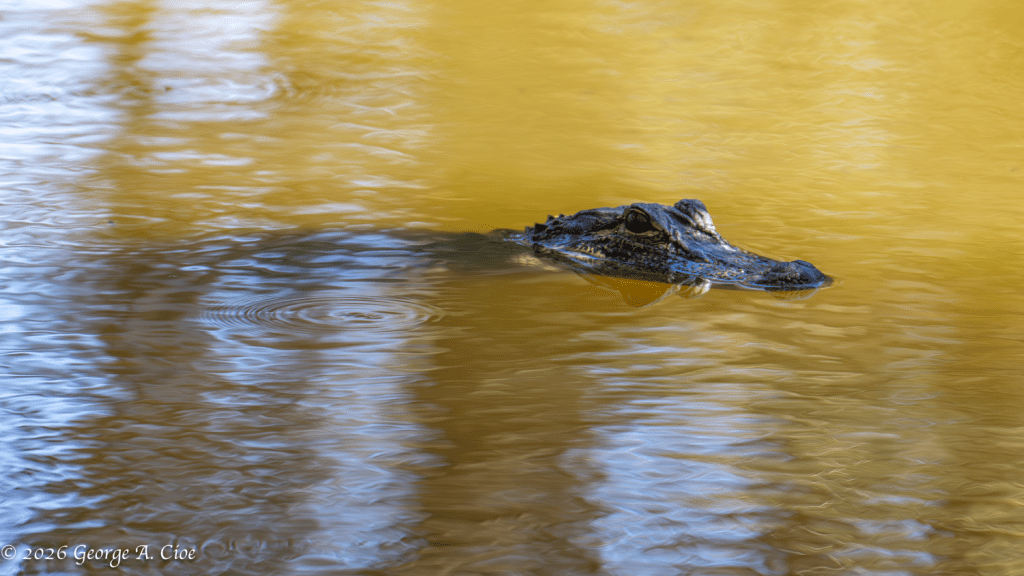
We were visiting the beautiful James Island County Park. A Charleston, SC attraction with a pond draped in Spanish moss and wrapped in that slow, humid stillness unique to the Carolinas. The pond looked peaceful. Almost poetic.
The kind of place where a watercolor artist would set up an easel.
Or where a tourist named Chuck from Ohio says:
“Water looks refreshing.”
Chuck would not survive.
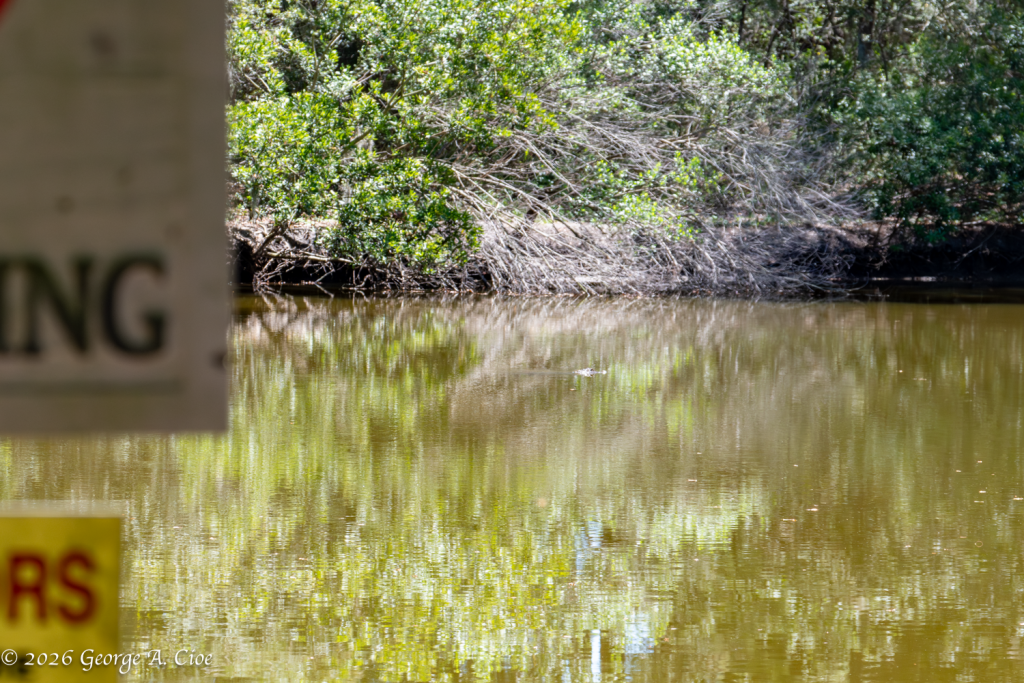
At first glance, the pond appeared empty.
Still water.
Mirror reflections.
Sunlight dancing across the surface.
Birds singing.
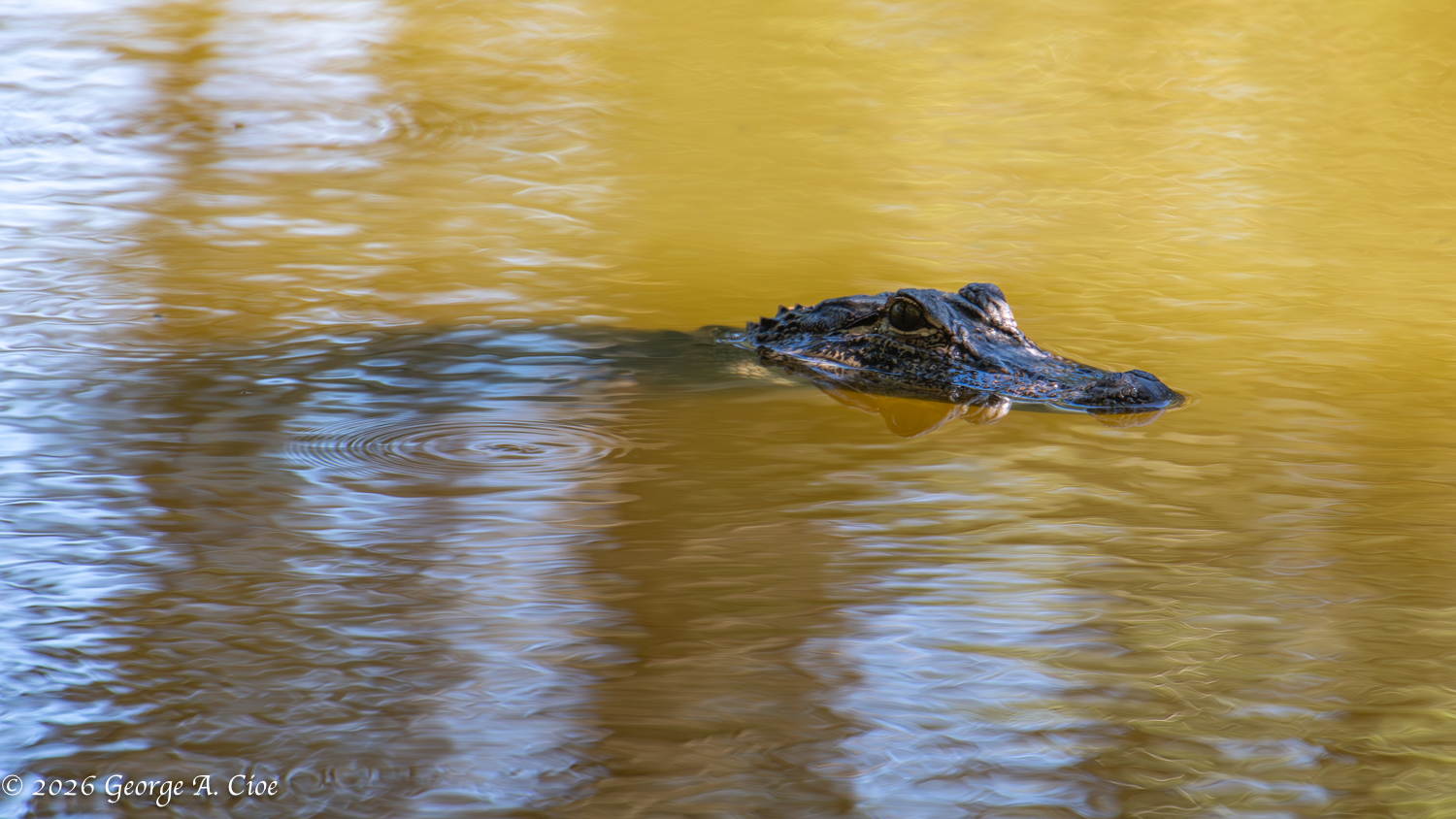
Then something surfaced.
Not splashed.
Not swam.
Then it moved.
Like the water itself had developed intentions.
And suddenly, every primitive survival instinct stored in human DNA since the dawn of time screamed:
“THAT STICK HAS EYES.”
Now here’s the fascinating thing about alligators.
They are not merely reptiles.
They are floating anxiety.
An adult American alligator can remain submerged for nearly an hour, motionless beneath the surface while waiting for prey. Their eyes and nostrils sit high atop their heads, allowing them to stay almost completely hidden while silently watching you stand at the water’s edge… slowly reconsidering the heat-induced lapse in judgment that made “maybe I’ll cool off in the pond” sound like a reasonable idea.
And the stealth?
Good grief.
One second you’re admiring reflections and Spanish moss.
The next second a prehistoric throw pillow with teeth glides silently past like a government submarine.
No wake.
No urgency.
No concern whatsoever.
Because apex predators never look rushed.
What struck me most was how perfectly designed they are for ambush.
The ridges along the back.
The stillness.
The eyes.
That slow, deliberate glide.
They don’t swim so much as haunt the water.
And honestly, the longer I photographed him, the more I became convinced that alligators are the reason golf courses in Florida have strict dress codes.
Somewhere, years ago, a man in plaid shorts absolutely panicked and ran into a clubhouse screaming:
“THE LAKE IS BLINKING!”
The beauty of the scene was undeniable though.
Golden reflections rippled around this ancient creature while moss swayed gently overhead. The entire setting felt suspended between serenity and catastrophe.
Which, now that I think about it, perfectly describes most vacations.
And here’s the thing:
Nature doesn’t apologize for being nature.
The alligator isn’t evil.
He isn’t aggressive for sport.
He’s simply ancient perfection doing what ancient perfection does.
Meanwhile humans stand twenty feet away holding iced tea and saying things like:
“I wonder if he’s friendly.”
No, Brenda.
He’s a dinosaur.
A very patient dinosaur.
And as we finally walked away from the pond, I looked back one last time.
The water was calm again.
Still.
Silent.
Like nothing had ever been there.
Which somehow felt even more terrifying.
Naturally.
I’d love to share my posts with you. If you subscribe, they’ll come straight to your inbox—most days, like a little note from me to you. It means a lot to know you’re reading along.
Browse my complete art portfolio and shop for prints at imagesbygacioe.shop

Leave a Reply