
There are places in America where history whispers.
And there are places where history reaches out and grabs hold of your soul.
Boone Hall is one of those places.
At first, you notice the beauty.
The towering oaks.
The Spanish moss swaying gently in the warm Carolina air.
The elegance.
The stillness.
The grandeur.
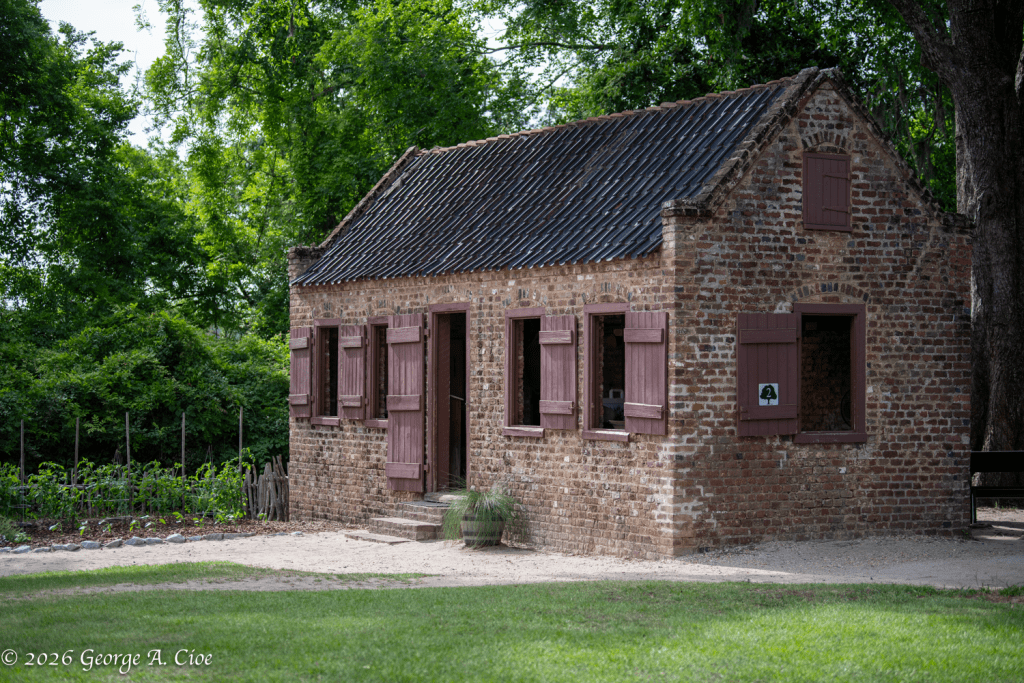
And then you walk toward the brick cabins.
Closer.
Quieter.
Until suddenly the romance of the Old South collides with the reality that built it.
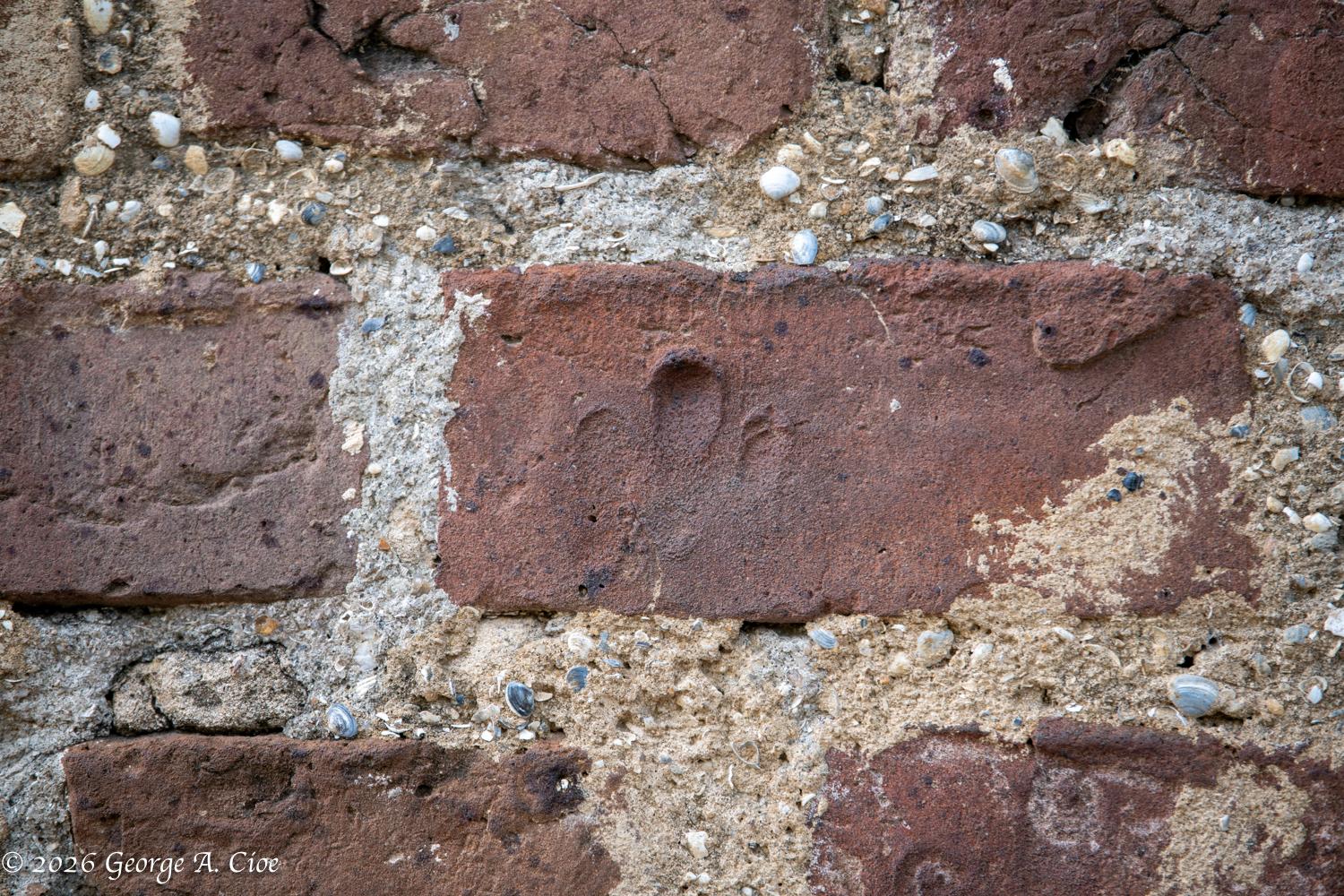
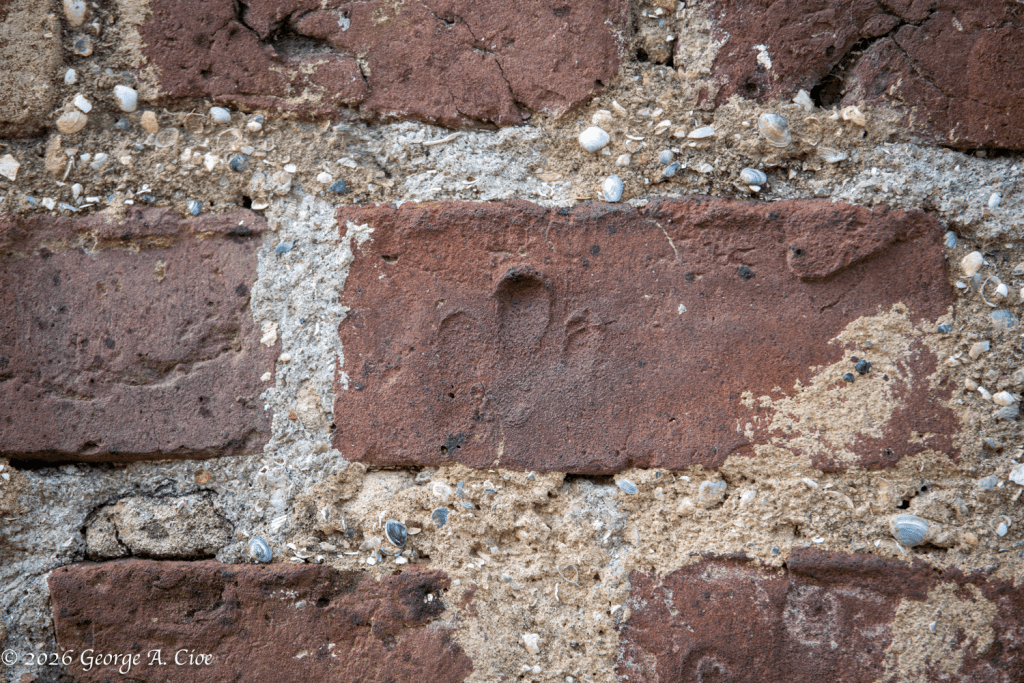
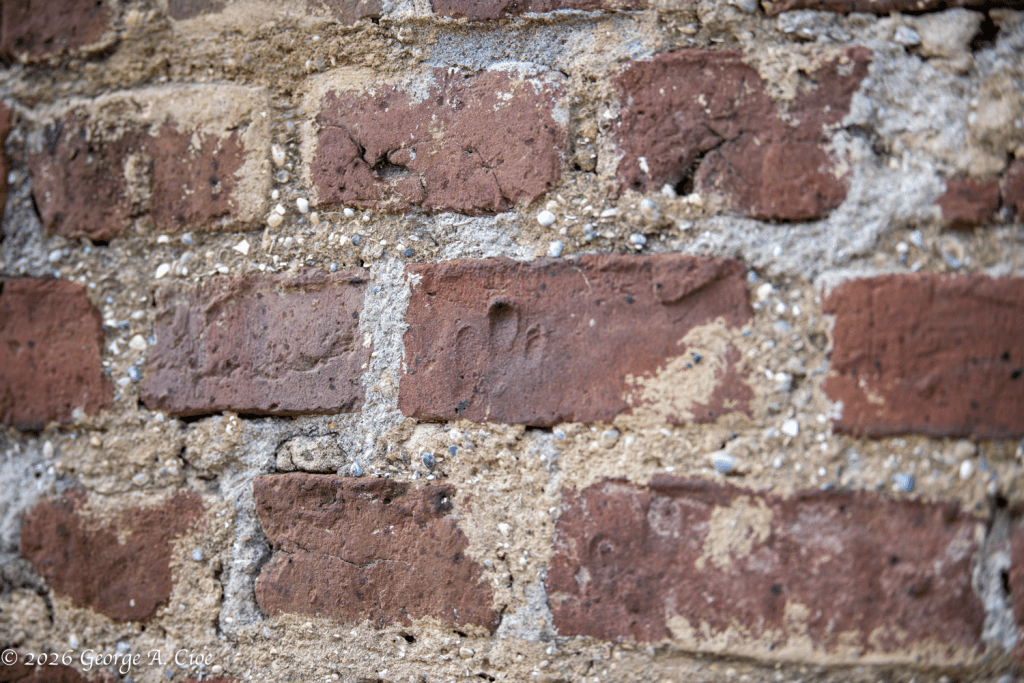
Inside the weathered bricks are finger impressions still visible after nearly two centuries. Tiny grooves pressed into wet clay by human hands long before electricity, automobiles, or photography existed. Hands that belonged not to wealthy landowners, but to enslaved Africans and their descendants — people whose labor created enormous wealth while their own freedom was denied.
Those marks are not decorations.
They are evidence.
Charleston was one of the principal ports of entry for enslaved Africans in North America. Historians estimate that nearly 40% to 50% of all enslaved Africans brought into what became the United States arrived through Charleston Harbor. Tens of thousands upon tens of thousands of human beings passed through that harbor in chains.
Imagine that for a moment.
Ships appearing on the horizon carrying human cargo.
Mothers separated from children.
Fathers sold away from families.
Entire villages shattered by raids, war, greed, and the economics of human suffering.
And generations later, fingerprints remain pressed into the bricks of Boone Hall.
That is the uncomfortable truth woven into so much beauty across the American South.
The wealth.
The plantations.
The rice fields.
The cotton.
The indigo.
The magnificent homes.
Much of it was built on stolen lives and relentless labor.
Yet what moved me most was not simply the tragedy.
It was the endurance of the human spirit.
Because despite everything — the cruelty, injustice, degradation, and suffering — humanity survived in those cabins. Culture survived. Music survived. Faith survived. Family survived. Hope survived.
And in a profound way, those fingerprints become something larger than history.
They become a reminder.
Every person we encounter carries a story we cannot see.
Every face reflects generations of struggle, sacrifice, perseverance, and survival.
Science now confirms what the heart should have known all along: humanity shares common African ancestry. The divisions we create — race, status, nationality, wealth — become very small when measured against the truth that binds us together.
We are far more connected than separated.
Standing before those bricks, it becomes impossible not to wonder:
What might the world look like if every human being was treated with dignity from the very beginning?
Not tolerated.
Not categorized.
Not judged.
But valued.
Because the fingerprints in those bricks do not belong to “others.”
They belong to us.
To humanity itself.
I’d love to share my posts with you. If you subscribe, they’ll come straight to your inbox—most days, like a little note from me to you. It means a lot to know you’re reading along.
Browse my complete art portfolio and shop for prints at this link: imagesbygacioe.shop





Leave a Reply