

Pinoli.
Pine nuts.
I love them.
In pesto, pastries, salads, meatballs. Almost anything that benefits from a little crunch and that wonderful buttery flavor.
Chefs have a word for this.
Mouthfeel.
It’s the sensation food creates in your mouth. Texture. Crunchiness. Creaminess.
Apparently, “Boy, that’s delicious!” wasn’t sufficiently sophisticated.
When I make pesto, I lightly toast pine nuts on a baking sheet in the oven. It brings out their natural oils and adds a wonderful roasted sweetness.
Something my dad taught me.
Thanks, Dad!
Now, after all these years of cooking with pine nuts, I discovered something remarkable while traveling through Sicily.
They grow in pinecones!
I know.
Who knew?
Well, apparently the Sicilians.
And probably a few million other people.
But here’s where it gets interesting.
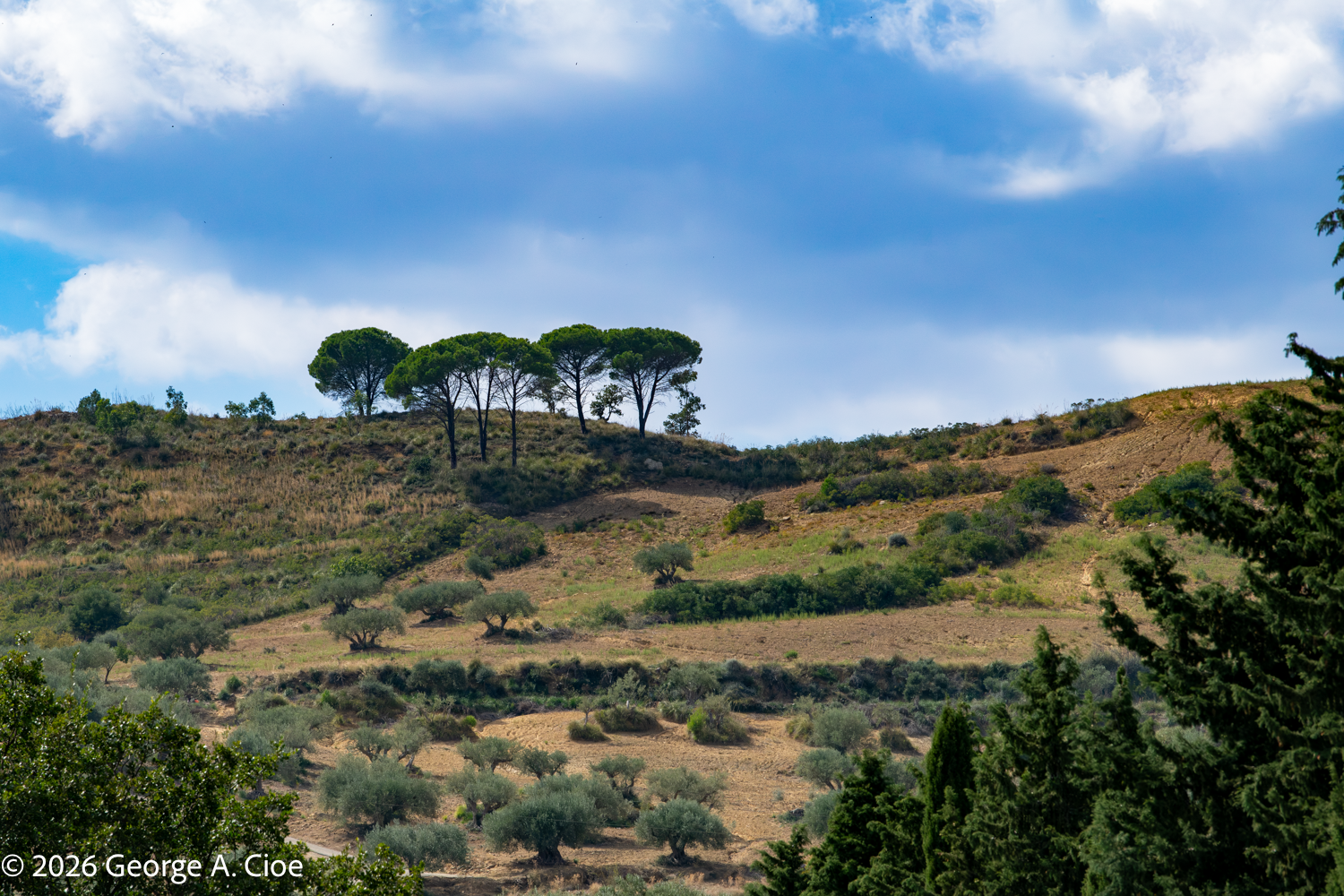
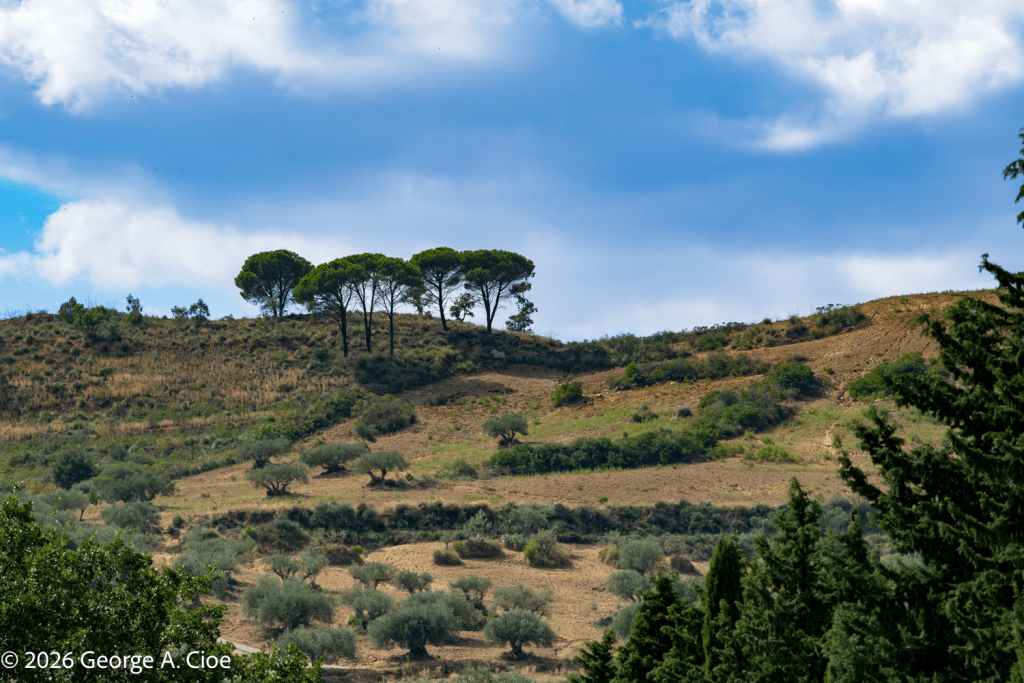
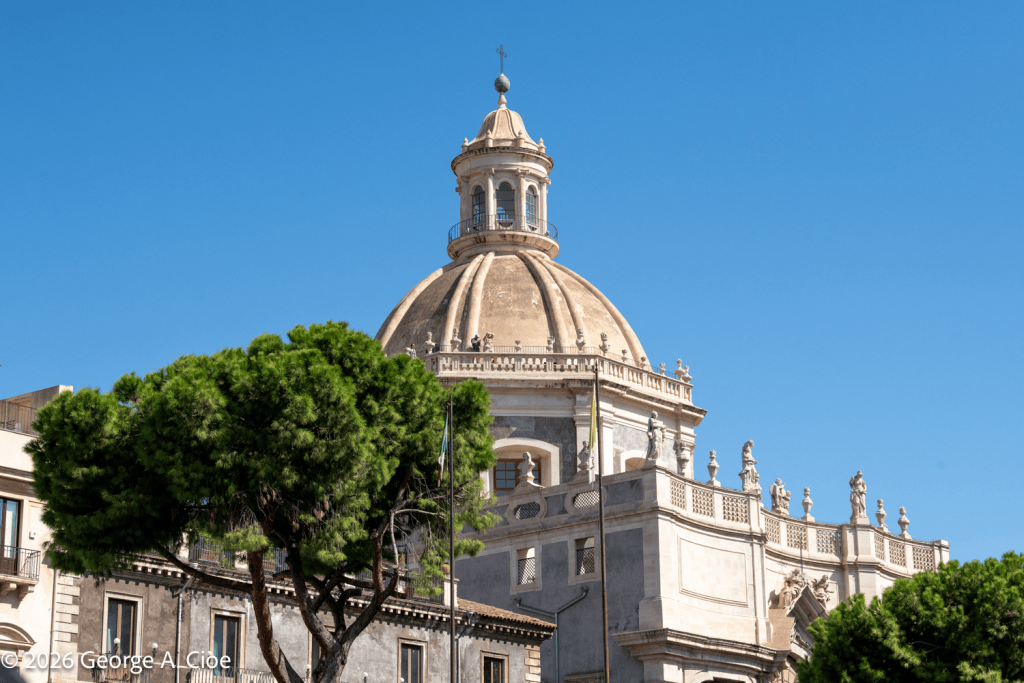
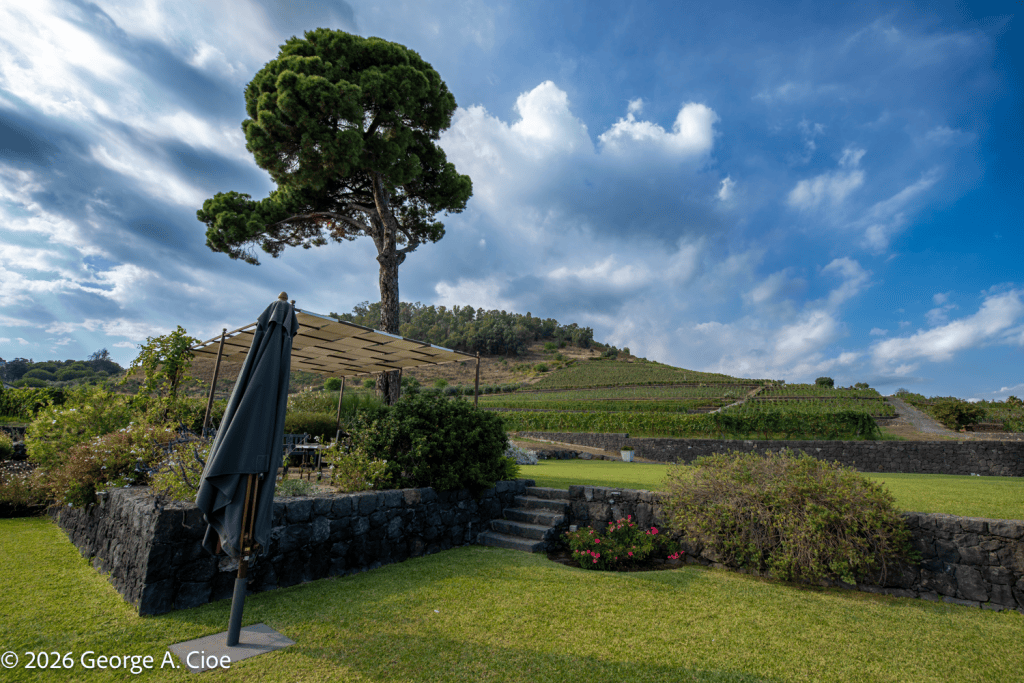
Those magnificent umbrella-shaped trees scattered across the Sicilian landscape are Italian stone pines, Pinus pinea.
And they produce pinoli!
Look at my photographs.
The name “umbrella pine” must have taken all of five seconds to invent.
Tall trunks. Enormous spreading branches. Magnificent green canopies.
Giant umbrellas.
No marketing department required.
But the real surprise is what happens inside those pinecones.
It takes approximately THREE YEARS for a stone pinecone to mature!
Three years!
Think about that.
You can plant tomatoes, harvest them, make sauce, eat the pasta, and repeat the entire process several times while a pinecone is still working on its first crop.
And when those cones finally mature, the work isn’t over.
They must be collected and dried to release their seeds. Then the hard outer shells must be removed to reveal the delicate edible kernels.
All that effort.
For something smaller than my fingernail.
Suddenly, paying a small fortune for a package of pine nuts seems almost reasonable.
Almost.
And here’s another surprise.
Pine nuts aren’t actually nuts.
They’re seeds.
Which means I’ve been making pesto with pine seeds all these years.
Somehow, that doesn’t sound nearly as appetizing.
I’ll stick with pinoli.
Now, stone pines aren’t exclusive to Sicily. They’ve been cultivated throughout the Mediterranean for thousands of years, and pine nuts have been enjoyed since antiquity.
But seeing these trees scattered across the Sicilian landscape gave me an entirely new appreciation for an ingredient I’ve enjoyed most of my life.
There’s something wonderful about discovering the origins of familiar things.
And something even more wonderful about the traditions surrounding them.
For centuries, families have gathered, prepared, cooked, and shared the foods their land provides.
Recipes passed from one generation to the next.
Little techniques.
Little secrets.
Like lightly toasting pine nuts before adding them to pesto.
Just as my dad taught me.
And that’s one of the things I love most about traveling.
You leave home to discover different places, cultures, and traditions.
Only to find that some of the most meaningful things we share are remarkably similar.
Family.
Food.
And the pleasure of teaching someone you love how to make something delicious.
All inspired by a tree that spends three years making a nut.
Excuse me.
A seed.
Buon appetito!
And thanks again, Dad.
As for what else grows in Sicily? Pistachios, almonds, walnuts, blood oranges, olives, and a few surprises I never expected.
But that’s another story.
Or perhaps several.
I’d love to share my posts with you. If you subscribe, they’ll come straight to your inbox—most days, like a little note from me to you. It means a lot to know you’re reading along.
Browse my complete art portfolio and shop for prints at imagesbygacioe.shop



Leave a Reply