



“A woman is an occasional pleasure, but a cigar is always a smoke.” — Groucho Marx
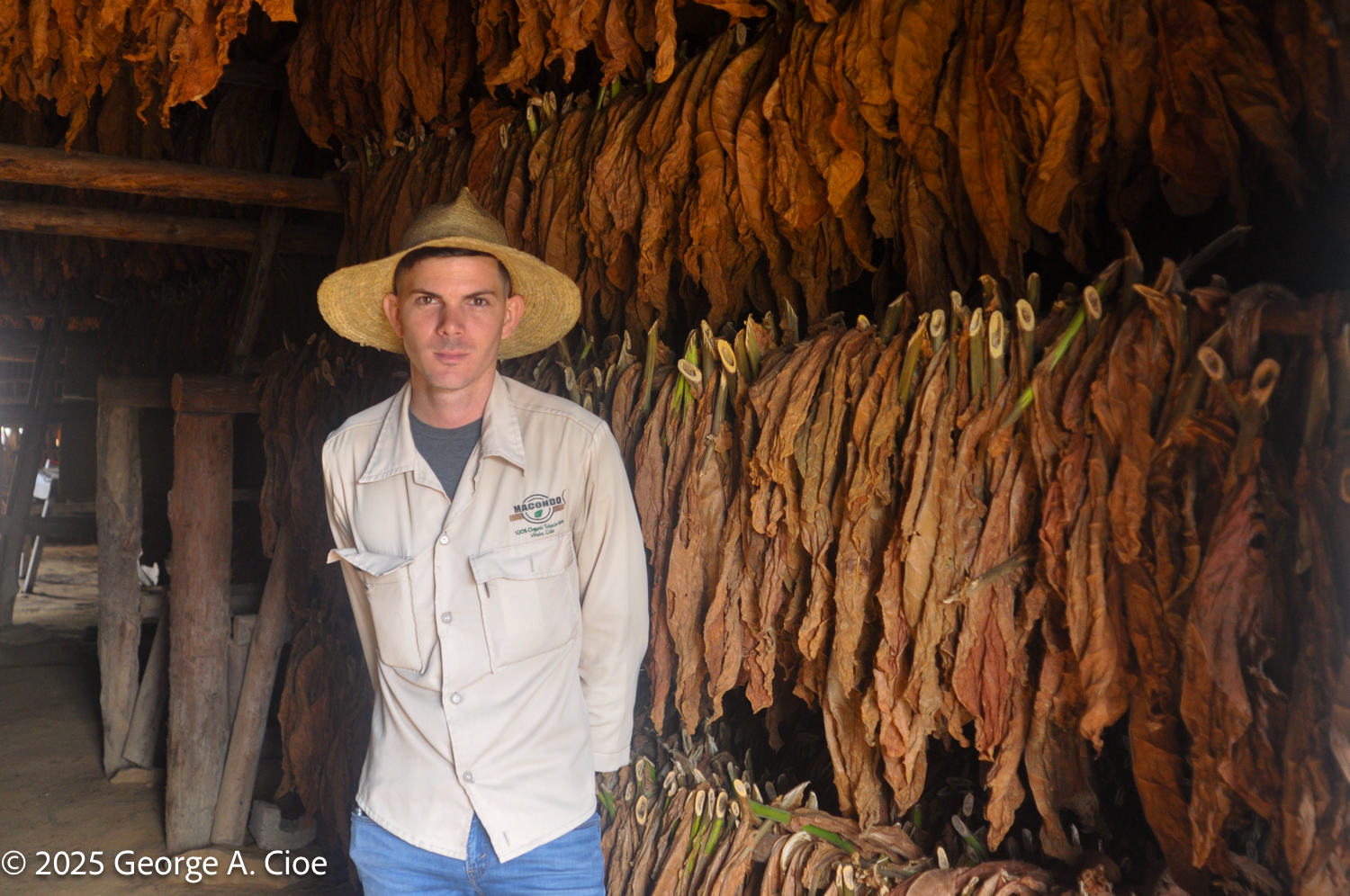
Cigars—real cigars—are measured against a single gold standard: the Cuban. So when I had the chance to visit an actual working cigar farm in Viñales, Cuba, let’s just say I was giddy. Giddy in a grown-man-who-knows-the-difference-between-a-good-smoke-and-a-great-one kind of way.
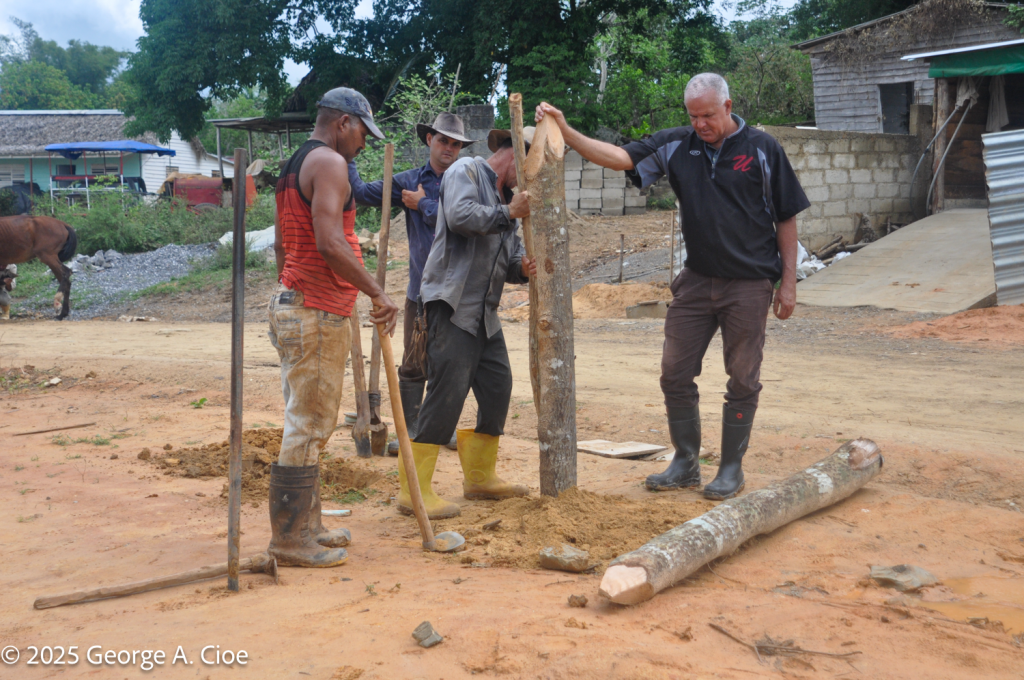
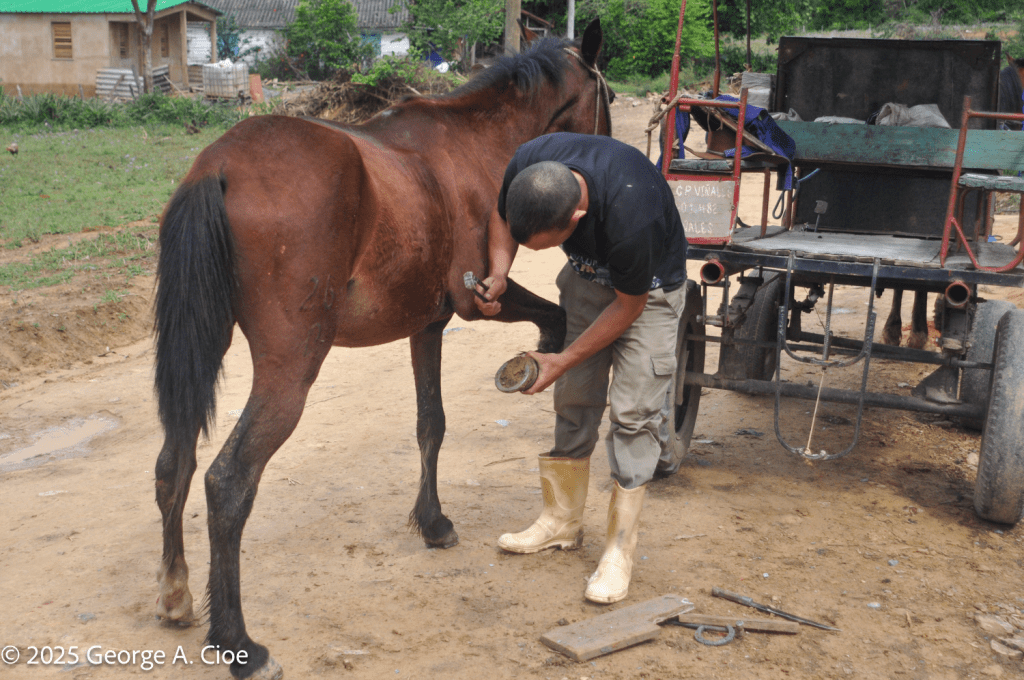
We arrived at Macondo like a band of pilgrims on a spiritual journey—wide-eyed, reverent, and, in my case, already mentally selecting humidor space back home. I still remember the first impression walking up that dusty road to the farmhouse. The only sound was the soft clop of hooves and the far-off whinny of a horse. Then, voices. Men mending fences. A farrier hammering shoes onto a workhorse. No engines. No whirring, grinding, beeping, or belching machines. Just tools, hands, and horses.
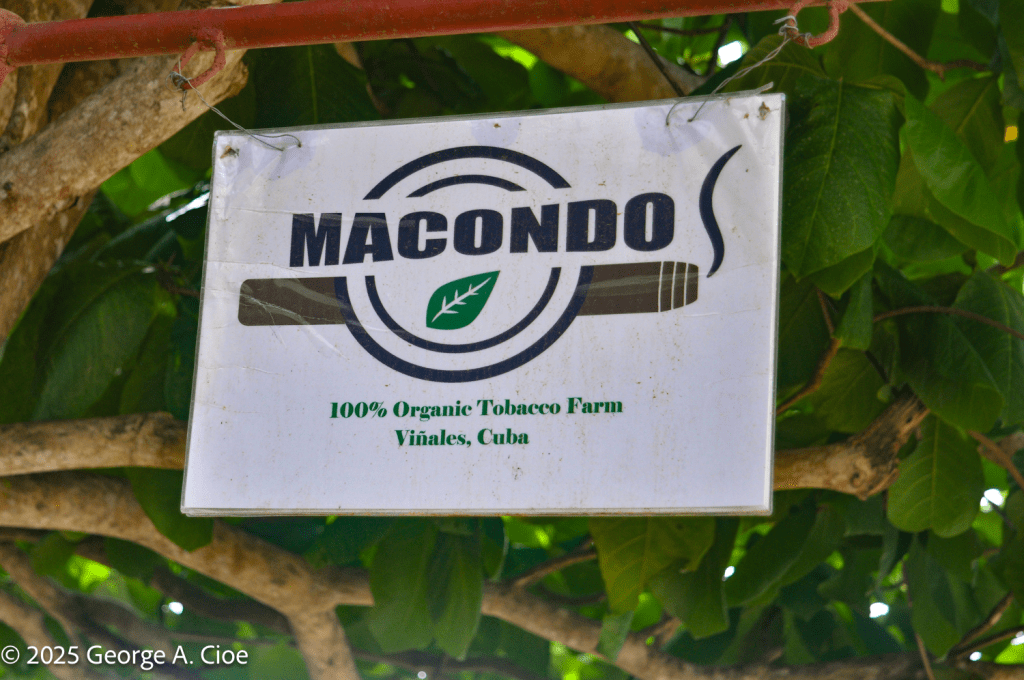
The smell? Earthy, honest, and slightly… equine. The air? Think “humidifier left on high in a greenhouse filled with compost and dreams.” A wooden sign out front read “100% Organic Tobacco Farm,” and they meant it. Everything about the place felt unplugged—quiet, grounded, and oddly sacred.
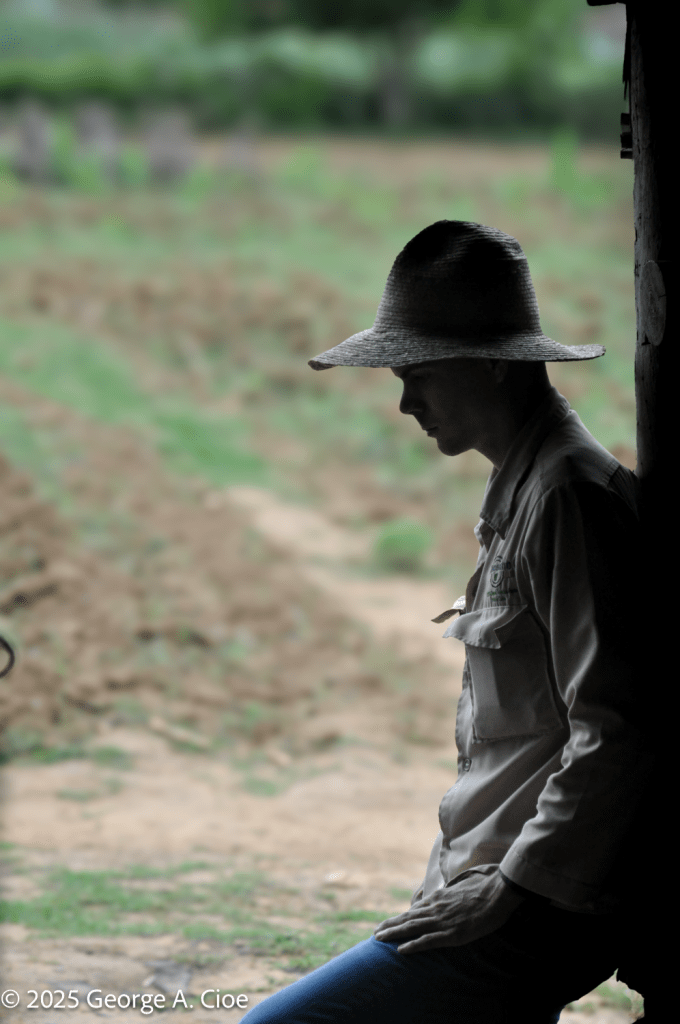
The workers were in constant motion—purposeful, focused, and dignified. They didn’t stop, except to tip their hats to us. And they knew—we knew—that tourists like us helped keep the farm alive.
But here’s where the awe gave way to a sobering reality.
This was my first time in a communist country. And it hit me hard: in Cuba, the government controls everything. Not just the laws or policies—everything. Farming in Cuba isn’t just “organic”; it’s often the only option. Due to embargoes, trade restrictions, and a heavy-handed state apparatus, access to modern farming equipment is basically nonexistent. Fertilizers? Forget it. Tractors? Not a chance. Gas? If you’re lucky.
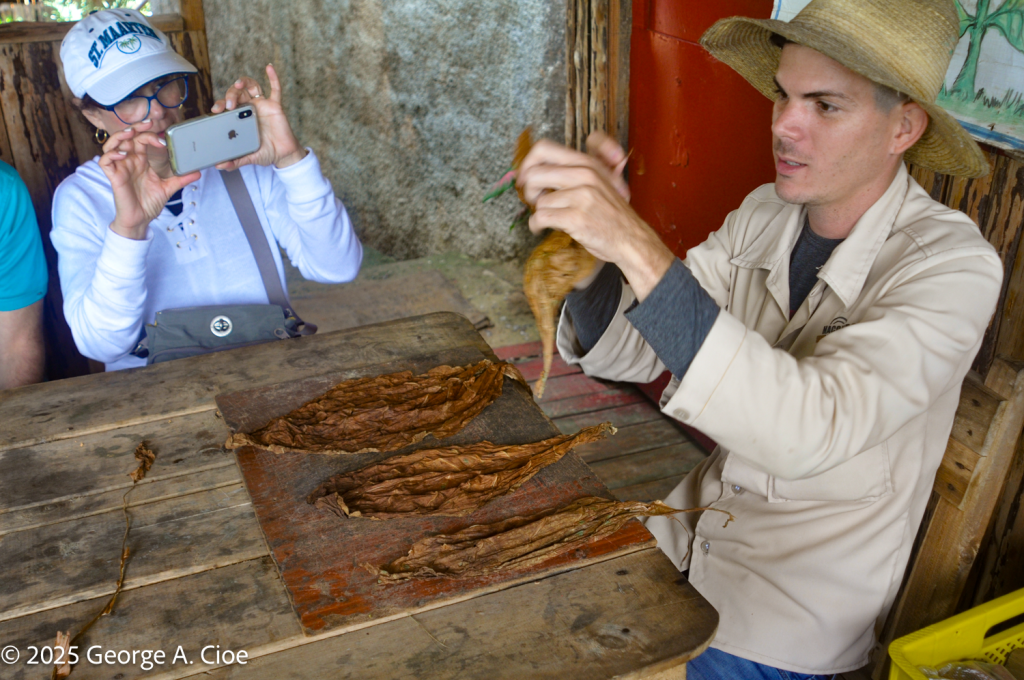
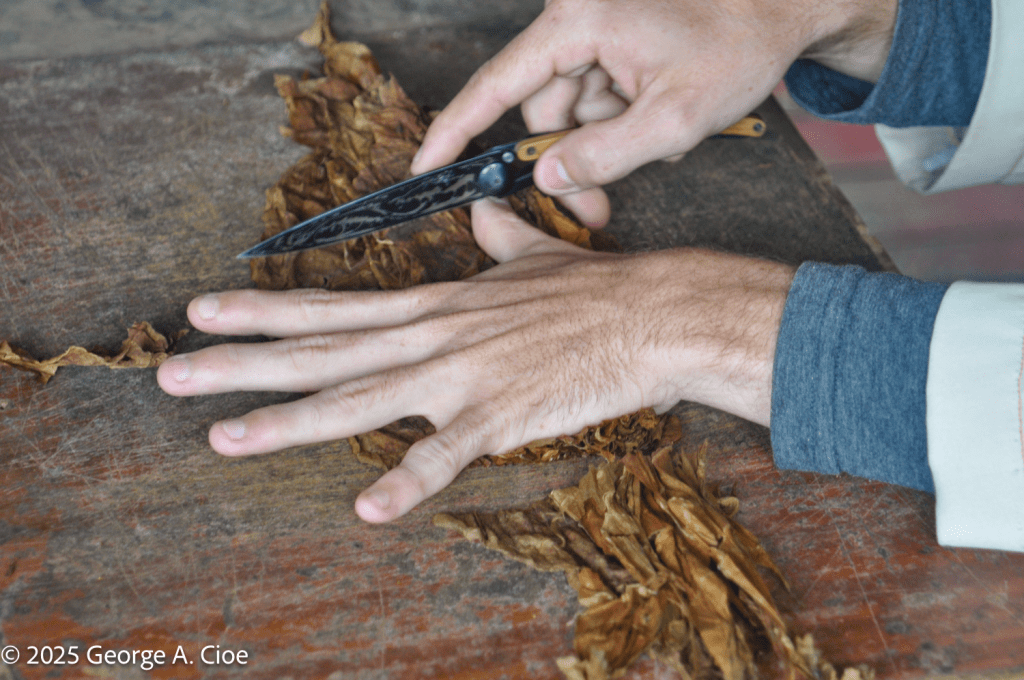
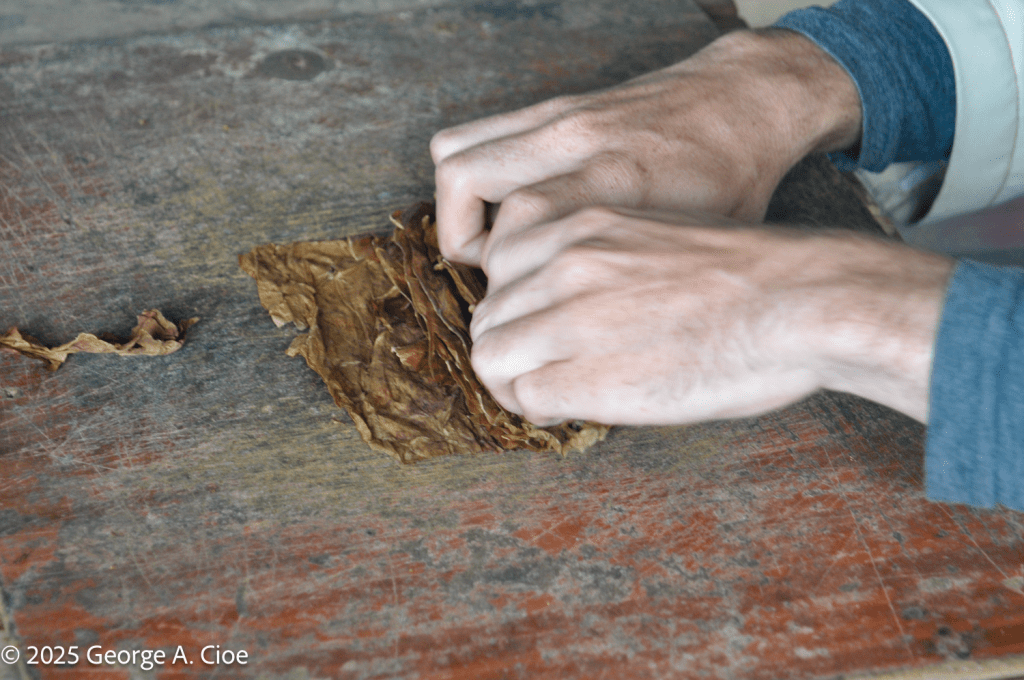
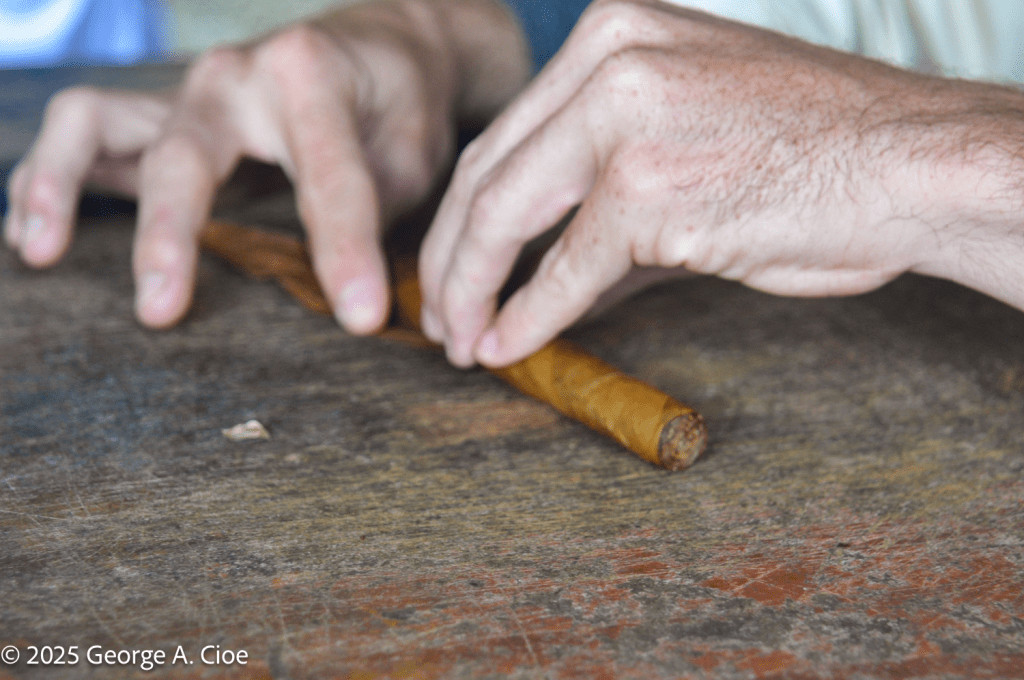
So they turned back to the old ways—by necessity, not nostalgia. Horses became tractors. Barrels of fermented tobacco stems became pesticide. Manure became miracle-grow. And the tobacco leaves? Lovingly harvested by hand and cured in barns until they softened into supple gold. Then came the cigar rolling—handcrafted, one at a time. Each cigar a miniature monument to patience, skill, and tradition.
I’m not here to glorify smoking. That doesn’t need my help. The glory lies in the craft, the dedication, and the art. Watching a Cuban torcedor roll a cigar is like watching someone write poetry with their fingers.
And then—unexpectedly—a twist in the story.
All this enforced simplicity? It’s been a surprising gift to the planet. Cuba’s lack of industrial pollution has preserved something truly remarkable: its coral reefs. While reefs around the world are in freefall—bleached, battered, and broken—Cuba’s remain among the healthiest on Earth. Teeming with life. Radiant with color. Protected not only by conservation laws but by the fact that the country simply doesn’t burn enough fossil fuel or contribute the chemical fertilizer run-off to ruin them.
It’s an ironic kind of environmental success: born not from abundance, but from limitation. Yet it’s real. And it makes you think. There’s so much we could learn—if we had the humility to listen.
Meanwhile, back home in the U.S., we’ve got freedoms these Cuban farmers can only dream of. The freedom to vote. To speak out. To buy a tractor. To leave. These aren’t small things. They’re everything. And seeing what life looks like without them? That was the part that woke me up.
Yet through all of it—through the scarcity, the struggle, and the silence—I felt something else on that farm: hope. It was in the way the workers looked at each other. In the respect they gave their craft. In the quiet pride of handing over a perfect cigar.
I left Macondo not just with a deeper appreciation for cigars, but with something I didn’t expect: a renewed sense of gratitude, a better understanding of resilience, and a flickering hope that someday Cuba’s spirit—and its people—will be allowed to breathe a little freer.
In the meantime, I’ll remember that farm. And maybe, just maybe, I’ll hold my cigar a little more reverently—like it was rolled with care, aged in patience, and lit with a sense of purpose.
Because some things are worth preserving. And others—well, they’re worth changing.
Subscribe below and get my daily (okay, most days—let’s not get crazy) post delivered straight to your inbox. Like magic. But with fewer rabbits. 🐇✉️
Browse my complete art portfolio and shop prints at imagesbygacioe.shop



Leave a Reply