


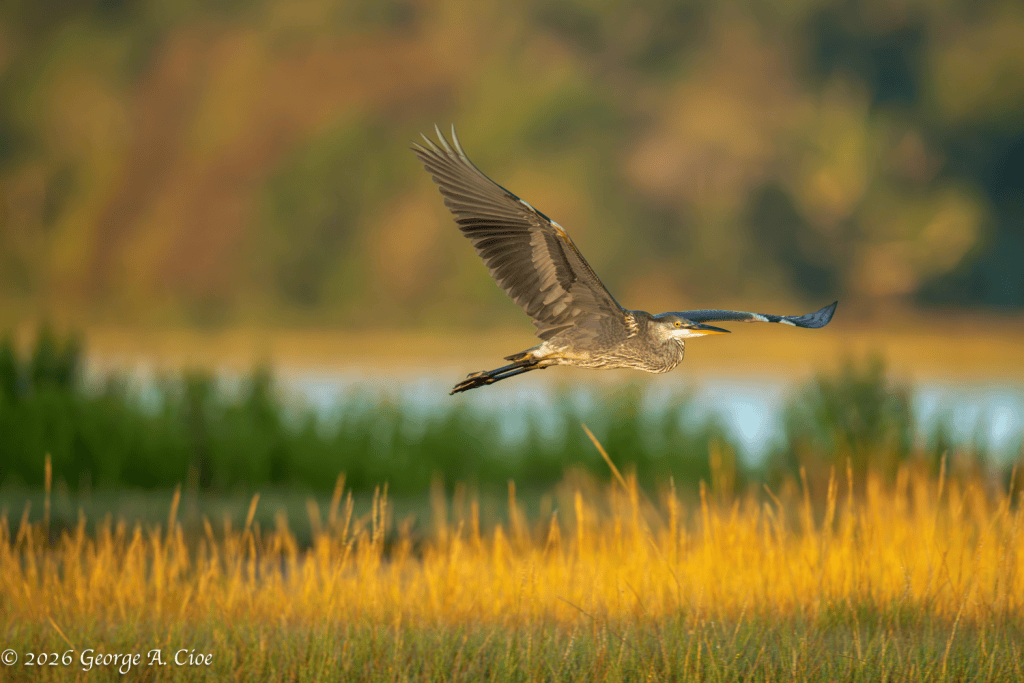
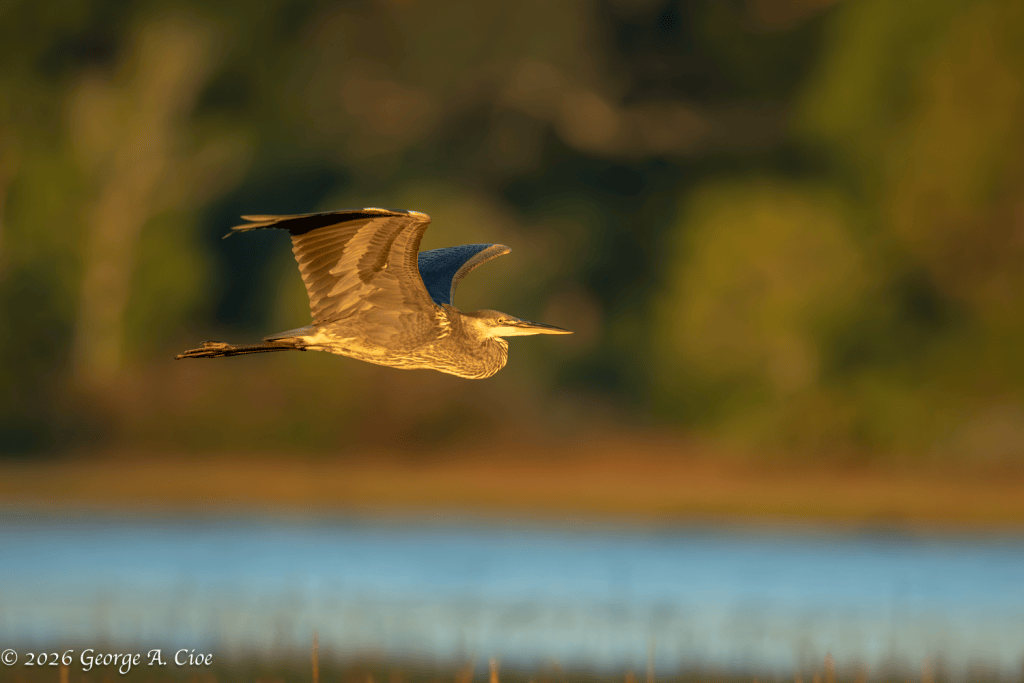
At sunrise, even a Great Blue Heron can lie about its color.
One moment, it was standing on the edge of the Narrow River dressed in the cool, slate-blue uniform its name promises.
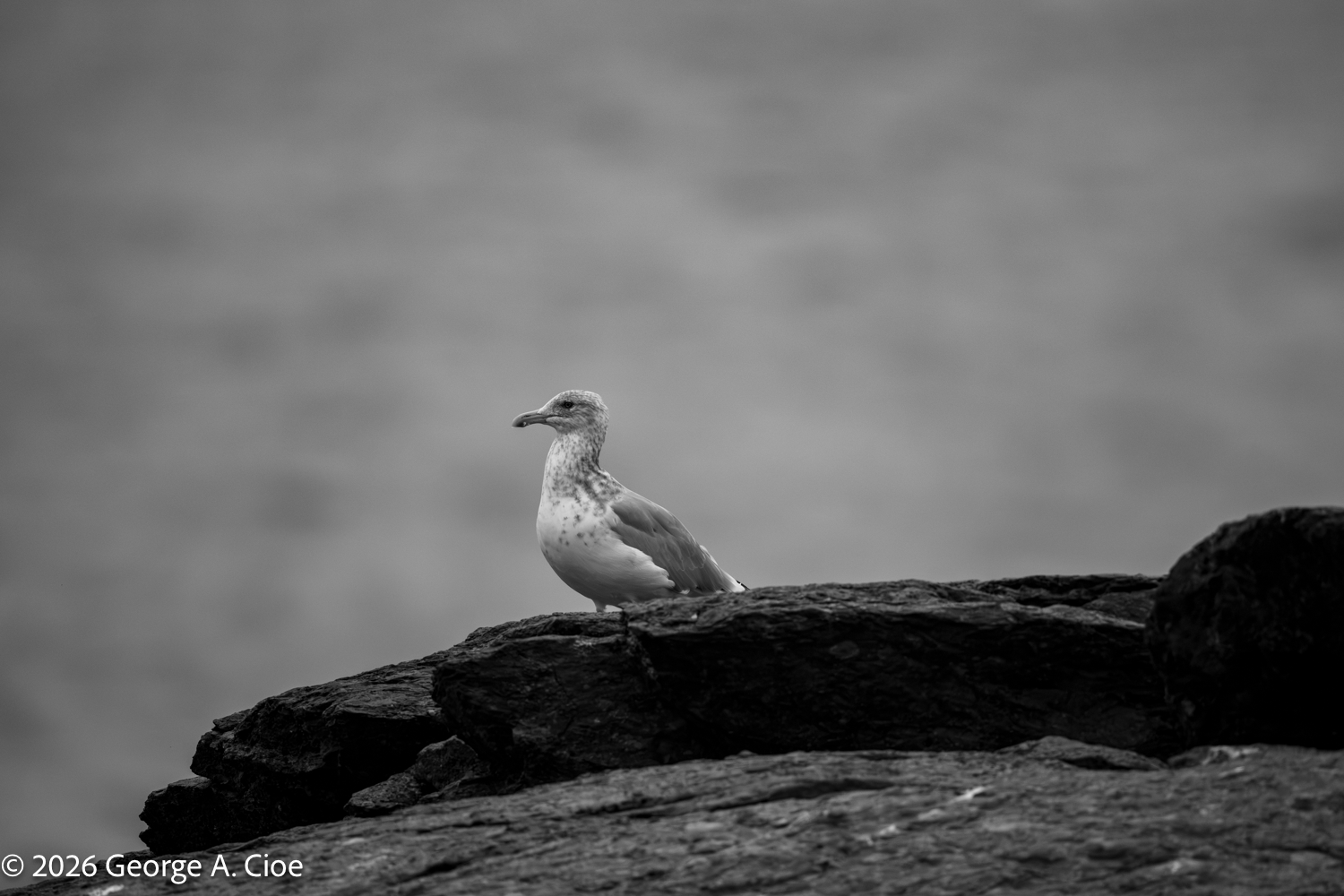
Beside it stood a Herring Gull.
The two appeared to be having a very serious waterfront discussion.
Probably about the long-awaited dredging of the river’s delta.
“It will improve the fishing,” the heron declared.
“I agree,” said the gull. “And perhaps that fellow will finally put down his cameras and pick up a fishing rod.”
They both looked at me.
I pretended not to notice.
Great Blue Herons are generally solitary hunters. They prefer to patrol their own stretch of shoreline, standing motionless for what seems like an eternity before striking at a fish with astonishing speed.
Herring Gulls take a somewhat different approach.
They prefer to stand near someone else who might locate breakfast first.
Why exhaust yourself searching for food when you can simply attend the meeting, review the findings and steal the results?
The conversation continued.
“Did you see those Seahawks?”
“What a game.”
Then, having exhausted the topics of dredging, fishing, football and the intrusive nature photographer crouching nearby, the heron decided the meeting was adjourned.
Without warning, it launched.
Its great wings opened, its long legs trailed behind and its neck folded into the familiar S-shape herons use in flight. Unlike cranes, which fly with their necks extended, herons pull theirs back toward the body. It creates a more compact, balanced shape in the air—and allows them to carry that enormous spear of a bill without flying face-first into the marsh.
I followed it through the viewfinder.
Click.
Click.
At first, the heron remained wrapped in the cool blue light of early morning. Before sunrise climbs high enough to warm the landscape, shadows are filled largely by blue light scattered through the atmosphere. Water reflects the sky, distant vegetation loses its warmer colors and the entire river seems to awaken beneath a soft blue veil.
Then the heron reached my flank.
And flew directly into the newborn sunlight.
Click.
Click. Click.
“Wow.”
In seconds, the bird changed.
The Great Blue Heron became bronze, copper and gold.
Its gray-blue feathers had not actually changed color. The light illuminating them had. With the sun still low on the horizon, its rays traveled through more of Earth’s atmosphere. Much of the shorter blue light was scattered away, leaving the longer wavelengths—the reds, oranges and golds—to wash across the bird and the marsh.
The effect was magical.
The cordgrass ignited beneath it.
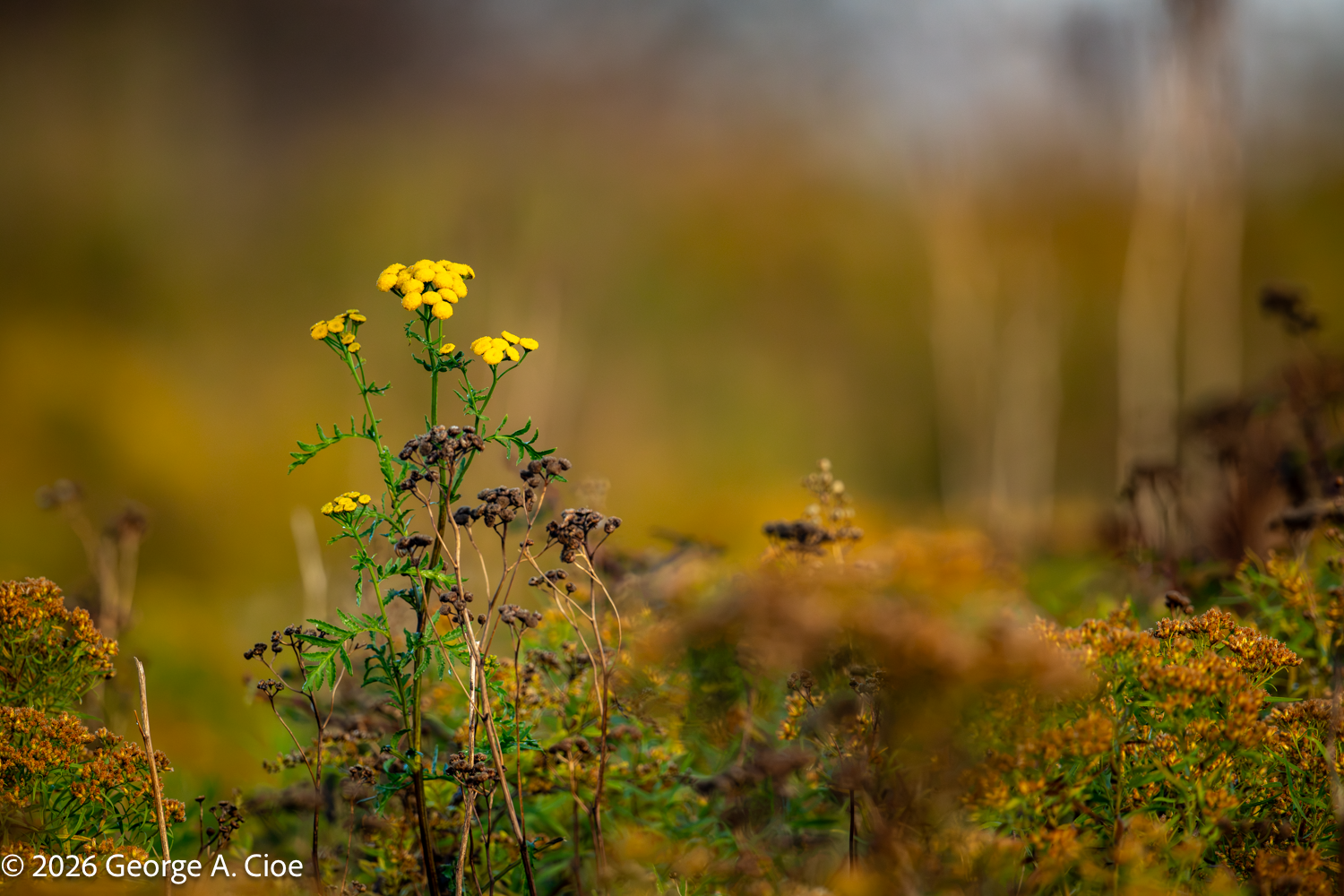
The distant shoreline melted into autumn tones.
Even the underside of its wings glowed as though each feather had been individually brushed with sunlight.
This is one of the great gifts of photography: it teaches us that light does not merely allow us to see the world.
Light remakes it.
It can turn water into silver, fog into mystery, ordinary grass into fields of fire—and a Great Blue Heron into something that appears to have flown straight through a sunrise.
The transformation may last only seconds.
Then the sun rises higher. The colors soften. The spell fades.
The heron continues downriver, looking once again like a Great Blue Heron.
And the Herring Gull?
It remains behind, waiting for someone else to find breakfast.
I’d love to share my posts with you. If you subscribe, they’ll come straight to your inbox—most days, like a little note from me to you. It means a lot to know you’re reading along.
Browse my complete art portfolio and shop for prints at imagesbygacioe.shop
Leave a Reply